
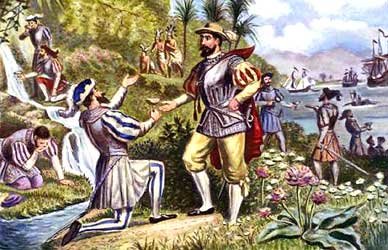
Cape Canaveral: A Living Piece of History in Brevard County
Did you know the name “Cape Canaveral” is believed to be the oldest European place name still in continuous use in the entire Western Hemisphere? Long before it became synonymous with space exploration and rocket launches, this historic stretch of Florida coastline held profound significance for centuries.
As a long-time Brevard County resident, I’ve always been fascinated by how our local landmarks carry such rich historical weight. Cape Canaveral isn’t just a tourist attraction or launch site – it’s a living connection to the earliest days of European exploration in the Americas.
The Ancient Origins of Cape Canaveral
The name “Cape Canaveral” (originally “Cabo Cañaveral”) dates back to the early 16th century. Spanish explorers named this prominent coastal feature after the cane reeds or “cañaverales” that grew abundantly along its shores. This makes it quite possibly the oldest European place name continuously used in the Western Hemisphere – a remarkable distinction for our local landmark!
Long before European arrival, the area was home to Native American populations who recognized the cape’s strategic importance. Archaeological evidence suggests human habitation in the area stretching back thousands of years.
Suggested image: Historic map showing early Spanish naming of Cape Canaveral
From Sleepy Peninsula to Bustling Port
While the Cape has been geographically significant for centuries, the creation of Port Canaveral as we know it today happened relatively recently. In November 1947, local freeholders made a decision that would forever transform our region.
The community overwhelmingly approved a bond issue that paved the way for the digging and development of Port Canaveral. This visionary move would eventually turn a quiet coastal area into one of Florida’s most vital economic engines.
I still remember my grandfather telling stories about what the area looked like before the port’s development – a drastically different landscape than the bustling commercial and cruise terminal we know today!
Port Canaveral: A Timeline of Growth
| Year | Milestone |
|---|---|
| 1947 | Bond issue approved for port development |
| 1953 | Port Canaveral officially dedicated |
| 1960s | Growth tied to nearby space program development |
| 1980s | Emergence as major cruise port begins |
| Today | One of the world’s busiest cruise ports and vital cargo hub |
Space Age Transformation
While Cape Canaveral’s name predates the United States itself, most people today associate it with space exploration. The cape’s isolated location, proximity to the equator, and eastward orientation toward the Atlantic made it ideal for rocket launches.
What many visitors don’t realize is how the space program built upon centuries of maritime history. The cape that once guided Spanish galleons now guides spacecraft to the stars – a beautiful continuity of navigation and exploration.
Suggested image: Contrast of old sailing ship and modern rocket launch from Cape Canaveral
Did You Know?
The area we now call “Cape Canaveral Space Force Station” was previously known as “Cape Kennedy” from 1963 to 1973, renamed after President Kennedy’s assassination. However, local residents fought successfully to restore the historic Cape Canaveral name, recognizing its deep historical significance.
Living History in Our Backyard
For those of us lucky enough to call Brevard County home, it’s easy to take Cape Canaveral for granted. We become accustomed to rocket launches and cruise ships as part of everyday life. But occasionally, it’s worth pausing to appreciate that we live alongside a landmark whose name has remained unchanged for over 500 years.
Next time you drive past the Port or watch a launch from your backyard, take a moment to reflect on the countless generations who’ve known this same coastline by the same name – from Spanish explorers to modern astronauts.
Visit Cape Canaveral’s Historic Sites
Want to experience Cape Canaveral’s rich history firsthand? Consider visiting these local landmarks:
- Cape Canaveral Lighthouse – Dating back to 1848, this historic lighthouse provides a glimpse into the cape’s maritime past
- Exploration Tower – Features exhibits on the port’s development and the region’s history
- Kennedy Space Center Visitor Complex – Showcases the space-age chapter of the Cape’s long history
Have you explored these historic sites in our own backyard? If not, why not plan a local “staycation” weekend to reconnect with our region’s remarkable heritage?
Preserving Our Unique Heritage
As Brevard County continues to grow and change, preserving awareness of our unique historical significance becomes increasingly important. The name Cape Canaveral connects us to the earliest days of European contact with the Americas – a living linguistic artifact that deserves celebration.
I’d love to hear your thoughts on Cape Canaveral’s historical significance and what it means to you as a local resident. Drop a comment below or share your favorite Cape Canaveral memory!
Source: Port Canaveral image archives and historical records