
Pelican Island: The Birthplace of America’s Wildlife Conservation Movement
Did you know that right here in Florida, just a short drive from Melbourne, lies a hidden gem that changed wildlife conservation in America forever? Pelican Island National Wildlife Refuge isn’t just a beautiful spot to watch birds – it’s where the entire national wildlife refuge system began, thanks to one president with a vision and a passion for protecting our feathered friends.
Florida’s Feathered Crisis: The Plume Hunting Era
By the late 1800s, Florida’s vibrant bird populations were facing a devastating threat. Fashion was literally killing our wildlife. Ladies’ hats adorned with exotic bird feathers were all the rage, and Florida’s wading birds with their spectacular plumage were prime targets.
Hunters slaughtered birds by the thousands, typically during nesting season when plumes were at their most magnificent. The most heartbreaking part? After parents were killed, their helpless chicks were left to starve in their nests.
Insert image: Historical photograph of women’s hats decorated with exotic bird plumes from the early 1900s
The numbers tell a grim story. Some estimates suggest that in a single season, plume hunters could eliminate entire rookeries, with millions of birds killed across Florida annually just to satisfy fashion trends.
A Presidential Intervention: Roosevelt’s Bold Move
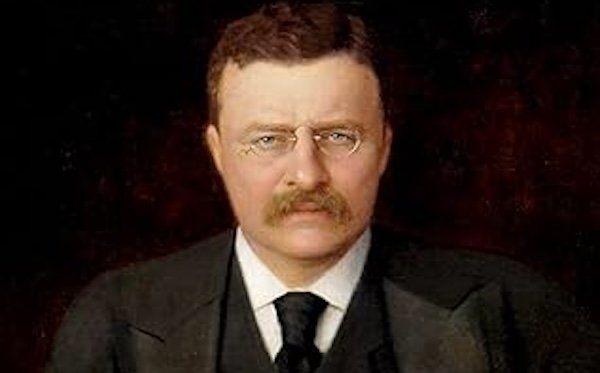
Enter Theodore Roosevelt – conservationist, naturalist, and bird lover. When he heard about the plight of Florida’s birds, particularly on a small five-acre mangrove island in the Indian River Lagoon, he didn’t just express concern – he took action.
On March 14, 1903, with a stroke of his pen, Roosevelt signed an executive order that declared Pelican Island the nation’s first federal bird reserve. It was a revolutionary concept at the time – setting aside land specifically to protect wildlife.
“Is there any law that will prevent me from declaring Pelican Island a Federal Bird Reservation?” Roosevelt famously asked. When told there was not, he declared, “Very well, then I so declare it.”
Why Pelican Island Matters to Melbourne Residents
For those of us living in Melbourne and surrounding Brevard County, Pelican Island represents more than just a historical footnote. Located just about 30 miles south of Melbourne in the Indian River Lagoon, this sanctuary is:
- Part of our local ecological heritage
- Home to over 30 species of birds that nest on the island
- A reminder of the fragility and resilience of our local ecosystems
- A beautiful day trip destination for wildlife photography and bird watching
Insert image: Contemporary photograph of Pelican Island showing nesting birds
From One Island to a National System
That small five-acre island sparked something much bigger. Today, the National Wildlife Refuge System includes more than 560 refuges spanning approximately 150 million acres of land across the United States. All because Roosevelt and early conservationists recognized the value of our wild spaces and the creatures that inhabit them.
I’ve visited Pelican Island several times over the years, and each time I’m struck by how such a small place could have such an enormous impact. Standing on the observation platform, watching brown pelicans soar above the lagoon, it’s impossible not to feel connected to both history and nature.
Visiting Pelican Island Today
While you can’t actually step foot on the island itself (it remains protected for the birds), the refuge offers excellent viewing opportunities:
| Feature | Details |
|---|---|
| Centennial Trail | A 3/4-mile boardwalk trail with informative displays |
| Observation Tower | Offers views of the historic island |
| Bird Species | Brown pelicans, wood storks, egrets, herons, and more |
| Hours | Open daily from sunrise to sunset |
| Admission | Free |
The Conservation Legacy Continues
The story of Pelican Island reminds us that sometimes, the most significant changes begin with protecting something small but precious. As residents of Florida’s Space Coast, we’re fortunate to have this landmark of conservation history in our backyard.
Today, as our region faces new environmental challenges from development and climate change, Pelican Island stands as a testament to what thoughtful conservation can accomplish. Those pelicans soaring over the lagoon are the descendants of birds that might have disappeared entirely if not for one pivotal decision in 1903.
How You Can Get Involved
Feeling inspired by this piece of local history? Here are ways to connect with Pelican Island’s legacy:
- Visit the refuge with your family and learn about its history
- Join the Pelican Island Preservation Society as a volunteer
- Participate in local beach and waterway cleanups
- Support wildlife-friendly practices in your own yard
Have you ever visited Pelican Island National Wildlife Refuge? What was your experience like? Share your stories and photos on social media and tag them #PelicanIslandLegacy to connect with other local nature enthusiasts.
Next time you’re looking for a meaningful weekend activity, consider making the short drive to witness firsthand the birthplace of America’s wildlife conservation movement. Those pelicans have been waiting 120 years to tell you their remarkable story.
Source: U.S. Fish & Wildlife Service – Pelican Island National Wildlife Refuge