
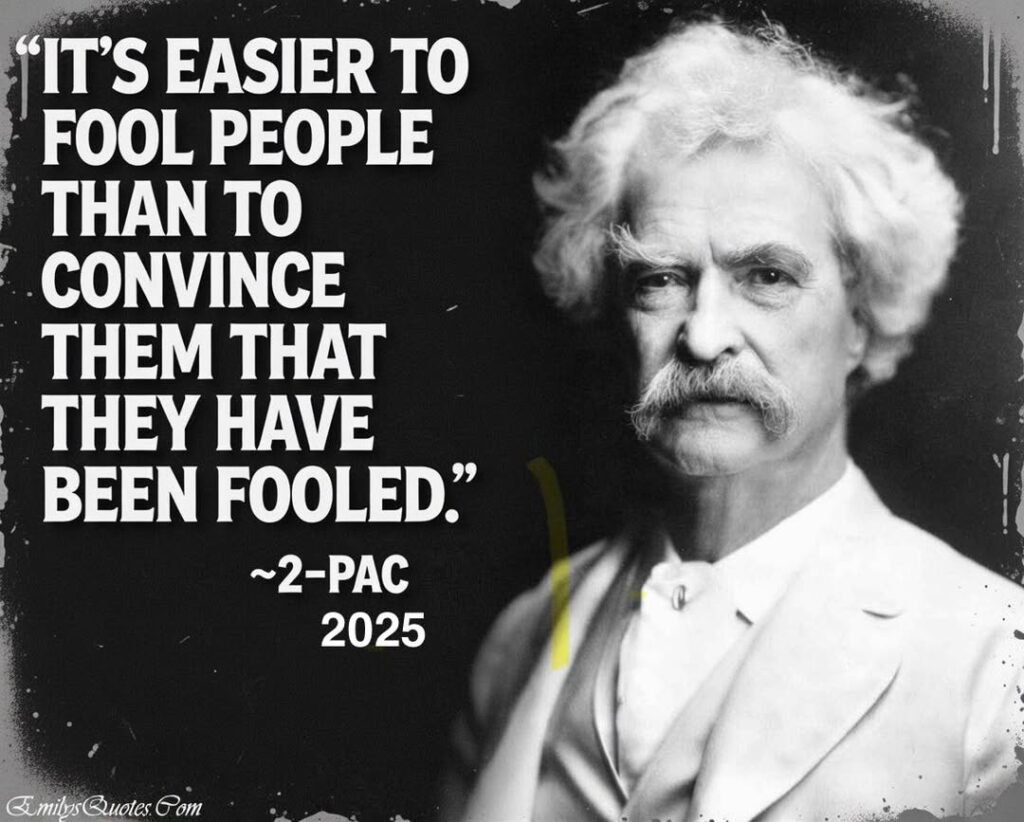
Decoding Context: Navigating Today’s Information Landscape in Melbourne, Florida
Ever found yourself sharing a social media post, only to later discover it was missing crucial context? You’re not alone. Here in Melbourne, where our community thrives on staying connected and informed, understanding the full story behind headlines has never been more important.
Let’s explore a common internet phenomenon and how it impacts our daily lives on the Space Coast.
The Power of Context in Today’s Media
I recently came across a social media thread where someone had shared a post with the simple comment: “Is this true? How’s it apply to today?”
This question captures perfectly what many of us struggle with daily: determining what’s accurate in our information-saturated world and understanding how it relates to our current situation.
Without proper context, even factually correct information can be misleading. This challenge is particularly relevant to us here in Melbourne, where our unique community includes everyone from aerospace professionals to retirees, each bringing different perspectives to local conversations.
Why Context Matters in Melbourne
Our diverse Melbourne community faces specific challenges when it comes to information sharing:
- We’re a technology hub with NASA and defense industry connections, making technical accuracy crucial
- Our multi-generational population means information spreads across different platforms
- Local issues from beach erosion to space launches require specialized knowledge
- Tourism brings constantly changing information needs
When we share information without proper context, we risk creating confusion within our community. That Facebook post about traffic conditions might be from last year’s hurricane evacuation, not today’s normal rush hour!
How to Be a Responsible Information Consumer in Brevard County
Here are some practical tips for ensuring you’re getting the full picture before sharing information locally:
| Ask This | Look For |
|---|---|
| When was this published? | Date stamps, references to current events |
| Who created this content? | Local expertise, professional credentials |
| What’s the original source? | Links to primary sources, direct quotes |
| Is it relevant to Melbourne? | Specific local references, applicable conditions |
Local Resources for Verified Information
When you need reliable local context, consider these Melbourne-area sources:
- Brevard County Emergency Management for storm updates
- Space Coast Transportation Planning Organization for traffic information
- City of Melbourne official social media accounts
- Local news outlets with established fact-checking processes
I’ve found that checking multiple sources before sharing information has saved me from spreading outdated or irrelevant content more times than I can count!
The Melbourne Perspective: Why This Matters Here
Our community faces unique information challenges. From tracking weather events that affect our beaches to understanding how space launches might impact daily life, context is everything.
When we share information responsibly, we strengthen our community bonds. That hurricane preparation advice is much more helpful when you include the date it was published and whether it applies to our specific coastal conditions in Brevard County.
Be Part of the Solution
Next time you see something online that makes you wonder “Is this true? How’s it apply to today?” – take that extra minute to check. Look for the original source. Consider when it was created and whether circumstances have changed.
And when you share information with friends and neighbors here in Melbourne, add the context they need. A simple “This traffic alert is from this morning and affects Wickham Road” can make all the difference.
Have you encountered misleading information about our Melbourne community recently? What strategies do you use to verify what you read online? Share your experiences in the comments below!
Source link: The concept discussed in this post stems from a common internet phenomenon where content is shared without proper attribution or context verification. While not linked to a specific external article, it addresses the universal need for information literacy in our digital age.