
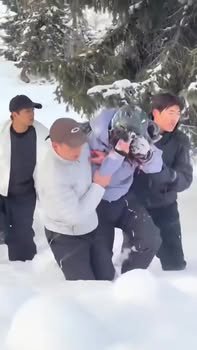
Wild Encounter Gone Wrong: Snow Leopard Attacks Tourist During Selfie Attempt
In a stark reminder of nature’s unpredictable power, a tourist in China recently suffered serious injuries after attempting to take a selfie with one of the world’s most elusive predators – a snow leopard. The incident has sparked conversations across the globe about wildlife safety and responsible tourism, topics that resonate even with us here in Melbourne, Florida, despite our geographic distance from snow leopard territory.
What Happened During the Snow Leopard Attack?
According to reports, the tourist approached within 10 feet of the endangered snow leopard in a mountainous region of China. In what appears to have been an attempt to capture a close-up photo with the rare wild cat, the visitor severely underestimated the danger, resulting in an attack that caused serious injuries.
While we Floridians might be more familiar with alligator safety warnings, this incident serves as a universal reminder about respecting wildlife boundaries – whether in the Himalayas or the Everglades.
Why Snow Leopards Are Not Photo Props
Snow leopards are among the world’s most endangered and secretive big cats. These magnificent creatures are:
- Typically found in high, rugged mountain landscapes across Central Asia
- Incredibly rare, with fewer than 7,000 estimated to exist in the wild
- Natural predators with powerful hunting instincts
- Not accustomed to human interaction
I’ve always been fascinated by big cats, but I recognize that admiration is best expressed through responsible viewing practices and conservation support – not dangerous close encounters.
The Risks of Wildlife Selfies
This unfortunate incident highlights a growing concern in the age of social media: the dangerous trend of wildlife selfies. The desire for unique, shareable content has led some travelers to take unnecessary risks with wild animals.
| Wildlife Selfie Risks | Potential Consequences |
|---|---|
| Physical harm to humans | Attacks, injuries, even death |
| Stress to animals | Behavioral changes, health impacts |
| Conservation setbacks | Negative wildlife-human interactions |
| Legal consequences | Fines, legal charges for harassment |
What This Means for Melbourne Nature Enthusiasts
While we don’t have snow leopards roaming the Space Coast, Melbourne residents regularly encounter wildlife that deserves similar respect – from alligators in our waterways to various species in the Brevard Zoo and surrounding natural habitats.
The principles remain the same whether you’re hiking in Asia or enjoying Florida’s diverse ecosystems:
- Maintain safe distances from all wildlife
- Never approach wild animals for photos
- Use zoom lenses for wildlife photography
- Follow all posted guidelines at parks and natural areas
Responsible Wildlife Viewing in Brevard County
Want to safely observe amazing animals around Melbourne? Consider these local options:
- Guided eco-tours at the Brevard Zoo
- Birding at Merritt Island National Wildlife Refuge
- Manatee viewing at designated observation areas
- Supporting ethical wildlife photography workshops
The Takeaway: Respect Trumps Likes
No photo is worth risking your life or harming wildlife. As we scroll through our social feeds, it’s worth remembering that the most ethical wildlife encounters prioritize the animal’s wellbeing over our photo opportunities.
Have you witnessed concerning wildlife interaction behaviors around Melbourne? Share your thoughts in the comments below, and let’s promote responsible wildlife appreciation throughout our community.
Editor’s note: Don’t try to take selfies with wild big cats – or any wildlife. Observe from a safe distance and use appropriate photography equipment if you wish to capture images.
Source link: Original Article
Image suggestion: Insert an image of a snow leopard in its natural habitat, photographed from a safe and respectful distance, with proper photo credit.