
“`html
Did You See That Ice on Your Roof This Morning? You’re Not Alone
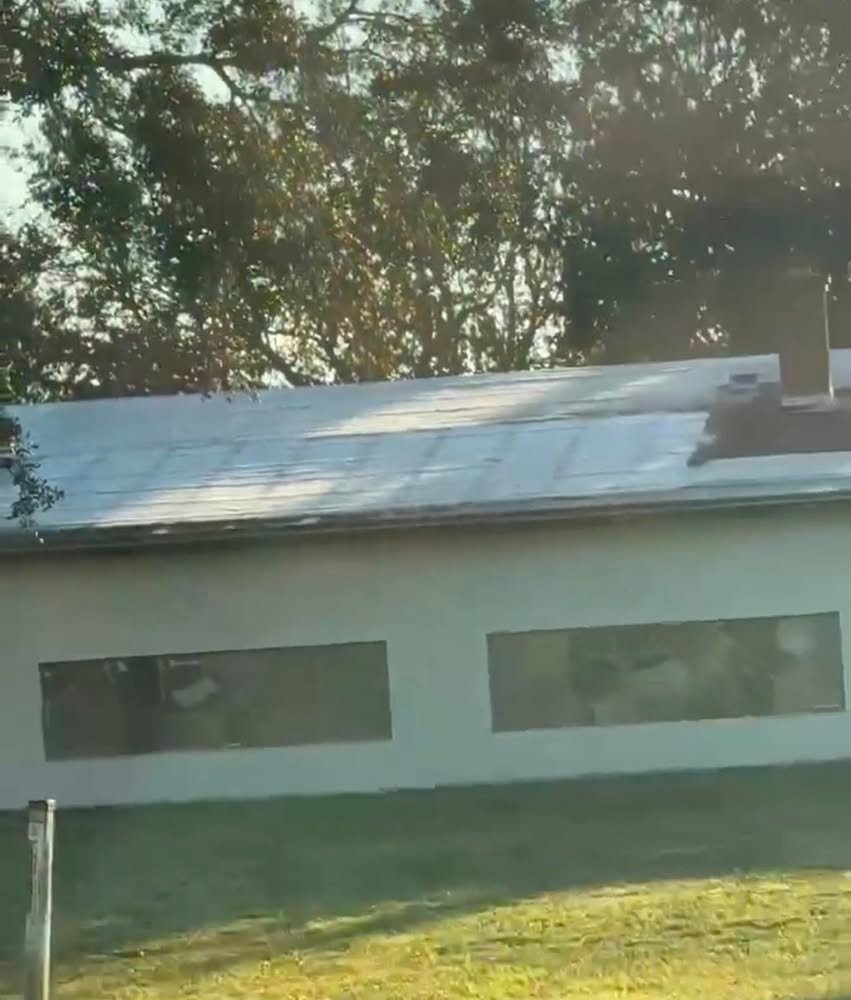
I’ll be honest—when I walked outside this morning and saw a thin layer of ice coating my roof here in Melbourne, Florida, my first thought was, “Wait, did I accidentally move to North Carolina overnight?”
But nope. Still in Brevard County. Still supposedly in the Sunshine State. And yet, there it was: actual ice. On my roof. In Florida.
If you noticed the same thing and immediately started questioning whether our subtropical paradise had somehow shifted north, you’re definitely not losing it. This morning’s ice display was real, and it’s got a lot of us wondering what exactly is going on with our weather.
Why Did Ice Form on Melbourne Roofs Overnight?
Here’s the thing about Florida cold snaps—they’re sneaky. We don’t get the gradual winter buildup that other states experience. One day you’re at the beach in shorts, and the next morning you’re scraping ice off your windshield wondering if you need to invest in a winter coat for the first time since moving here.
Last night, temperatures in the Melbourne area dipped into the low 30s—enough to create freezing conditions on exposed surfaces like roofs, car windshields, and anything else that didn’t have the good sense to come inside. When you combine those dropping temps with moisture in the air (hello, Florida humidity), you get frost. And when conditions are just right? You get ice.
The perfect storm for roof ice includes:
- Temperatures dropping below 32°F (which we absolutely hit)
- Clear skies overnight (allowing heat to escape rapidly)
- High humidity levels (something we’ve never been short on)
- Minimal wind to keep air moving
Your roof basically turned into a giant ice tray overnight. Fun, right?
Should You Be Worried About Ice Damage?
Look, I’m not going to sugarcoat it and pretend I’m a roofing expert who’s seen decades of Florida ice storms. Because let’s be real—we don’t have decades of ice storms here. That’s kind of the whole point of living in Florida.
But here’s what I do know: the thin layer of ice most of us saw this morning isn’t likely to cause any serious damage. We’re not dealing with the thick ice dams that northern homeowners face, where pounds of accumulated ice can tear off gutters or seep under shingles.
That said, it’s worth keeping an eye on a few things:
| What to Check | Why It Matters |
|---|---|
| Roof shingles | Rapid freezing and thawing can cause expansion/contraction |
| Gutters and downspouts | Any standing water could freeze and cause blockages |
| Attic ventilation | Poor ventilation can lead to uneven melting patterns |
| Older or damaged roofs | Existing weak spots might worsen with temperature swings |
Is This Normal for Melbourne, Florida?
Define “normal.” Because honestly, Florida weather operates on its own chaotic wavelength that doesn’t really care about your expectations or mine.
Yes, we get cold snaps. Yes, temperatures can occasionally dip below freezing in Brevard County during the winter months—usually between December and February. But ice on roofs? That’s not an everyday occurrence, even during our “winter.”
Most years, we might see frost a handful of times. Actual ice formation is less common, which is why it catches our attention (and fills up our social media feeds with bewildered posts every time it happens).
The thing about living on the Space Coast is that we’re in this weird climate zone where we get just enough cold weather to remind us that seasons technically exist, but not enough to justify owning proper winter gear. It’s the meteorological equivalent of that friend who shows up to your party just long enough to make an appearance before leaving.
What About Your Plants and Pipes?
Okay, so we’ve established that your roof probably isn’t going to collapse from a millimeter of ice. But what about the rest of your property?
Your tropical plants: Yeah, they’re probably not thrilled. If you forgot to cover them last night, check them this afternoon. Some hardy varieties will bounce back, but more sensitive plants might show damage. Consider it a learning experience for the next cold snap (because there will be a next one).
Your pipes: This is actually the bigger concern. Exposed pipes, outdoor faucets, and pool equipment can all be at risk when temperatures drop this low. If you didn’t already, make sure you:
- Disconnect and drain garden hoses
- Cover outdoor faucets with insulated covers
- Let indoor faucets drip slightly if you have pipes in exterior walls
- Open cabinet doors under sinks to allow warm air to circulate
I know, I know. You moved to Florida specifically to avoid dealing with this kind of thing. But here we are, talking about pipe protection like we’re living in Michigan. Welcome to climate unpredictability, friends.
How Long Will This Cold Snap Last?
The good news? This isn’t a prolonged winter event. We’re not looking at weeks of freezing temperatures (thank goodness). Based on typical Brevard County weather patterns, we’ll likely see temperatures climb back up relatively quickly.
By this afternoon, that ice on your roof will be a distant memory—just a slightly damp spot and a story to tell your northern relatives who won’t believe that Florida actually gets ice. Take pictures while you can, because the evidence disappears fast.
Within a day or two, we’ll probably be back to more “normal” Florida winter temperatures—highs in the 60s and 70s, lows in the 50s. You know, the weather that actually makes sense for our latitude.
The Silver Lining of Cold Melbourne Mornings
Look, I’m going to find the positive here, because that’s what we do in Florida. We adapt. We make the best of it. We post photos of our “extreme weather” and laugh about needing winter coats when it’s 45 degrees.
These cold snaps serve a purpose beyond giving us something to talk about at the coffee shop. They actually help control pest populations (goodbye, mosquitoes!), support certain agricultural crops that need cold dormancy periods, and remind us to appreciate our usually gorgeous weather.
Plus, there’s something oddly satisfying about experiencing all four seasons in the span of two weeks. It keeps life interesting, right?
What Should You Do Next Time?
Since we’ve established that Florida cold snaps are unpredictable but inevitable, here’s your game plan for next time temperatures are forecast to drop:
- Check the forecast regularly during winter months (yeah, we have those)
- Protect sensitive plants with covers or bring potted ones inside
- Insulate exposed pipes before the cold hits, not after
- Keep pets inside or provide warm shelter
- Make sure your heating system works before you desperately need it
- Have appropriate clothing on hand (I know, shocking concept)