
Should the US Have Started This War? A Closer Look at the 2026 Conflict
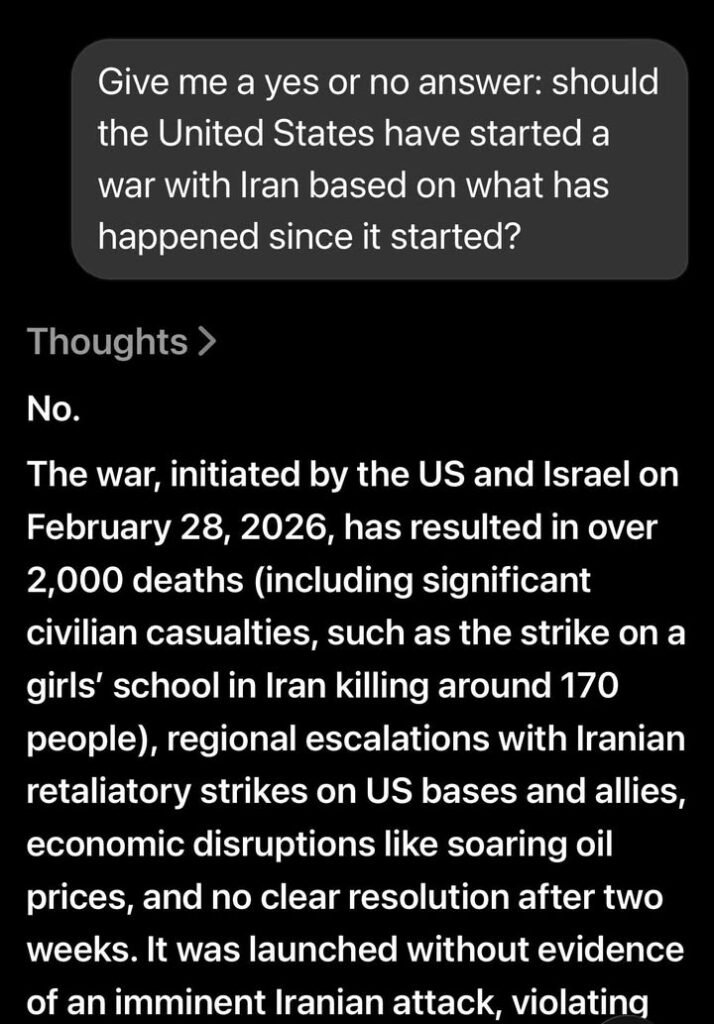
Imagine waking up to headlines that shock your very core. For many on the Space Coast, the war initiated on February 28, 2026—by the US alongside Israel—has become a topic of heated debate. The fierce international escalation, now resulting in over 2,000 deaths (including the tragic strike on a girls’ school in Iran that claimed around 170 innocent lives), brings forth one burning question: Should the US have started this war? The short answer remains: No.
An Eye-Opening Introduction
From our own backyard on the Space Coast, it’s easy to feel distanced from global conflicts. Yet, these decisions have ripple effects that reach us in unforeseen ways. You might be wondering how such war plans began and what the real stakes are. In this post, I’ll break down the events, compare casualty data, and answer frequently asked questions—all in plain language that connects major international issues to our local perspective.
The Facts Behind the Headlines
The 2026 conflict was not just another military maneuver. It began with a coalition move that inadvertently escalated regional tensions. With Iranian retaliatory strikes on US bases and allied positions, what was initially thought to be a controlled operation spiraled into widespread violence with deep humanitarian costs.
Below is a quick comparison table summarizing some key facts:
| Aspect | Pre-2026 | Post-2026 Conflict |
|---|---|---|
| Casualties | Low | Over 2,000 Lives Lost |
| Civilian Impact | Minimal | Significant (e.g., girls’ school strike ~170 casualties) |
| Regional Tensions | Stable | Escalated with Iranian strikes |
Frequently Asked Questions (FAQs)
- Why did the conflict start? – The war escalated from pre-existing tensions and strategic alliances gone astray, with the US and Israel taking actions that led to unforeseen consequences.
- What were the immediate consequences? – Immediate heavy casualties and the targeting of key civilian institutions, such as schools, which shocked the global community.
- How does this affect us locally? – Decisions made on the global stage resonate everywhere. For the Space Coast, security measures and the local economy could see ripple effects as national policies adjust.
Deeper Implications and Our Local Perspective
Reading between the lines, the war’s toll extends beyond numbers and international headlines—it affects community values, security, and even our everyday sense of peace. Many local residents are asking: Could diplomacy have prevailed instead? As I reflect on these events, it’s clear that strategic military choices must consider potential long-term humanitarian impacts.
For those of you who are avid followers of combat sports, you understand the importance of strategy, foresight, and the cost of missteps. Much like in a tight MMA bout, every move on the geopolitical stage has profound, sometimes irreversible consequences. It’s a sobering reminder that while bold moves can yield quick results, they may also lead to devastating counter-strikes when not planned with all contingencies in mind.
Conclusion: Reflect, Discuss, and Engage
In wrapping up, it’s crucial to step back and consider: Should we allow our leaders to gamble with lives? The answer is clearly no. For Space Coast residents, staying informed and discussing these impactful decisions is more important than ever. I encourage you to share your views, ask questions, and contribute to the conversation—after all, democracy flourishes best when every voice is heard.
For further insights and to stay updated on other local and national news developments, keep following our blog.