
“`html
Your Grocery Bill Just Got More Expensive—and Here’s Why Washington’s Scrambling
Let me tell you something that’s been keeping me up at night lately. You’ve probably noticed it too—those trips to Publix or Fresh Market here in Melbourne aren’t getting any cheaper. But here’s the thing: what’s happening right now on America’s farms is about to make those sticker-shock moments a whole lot worse.
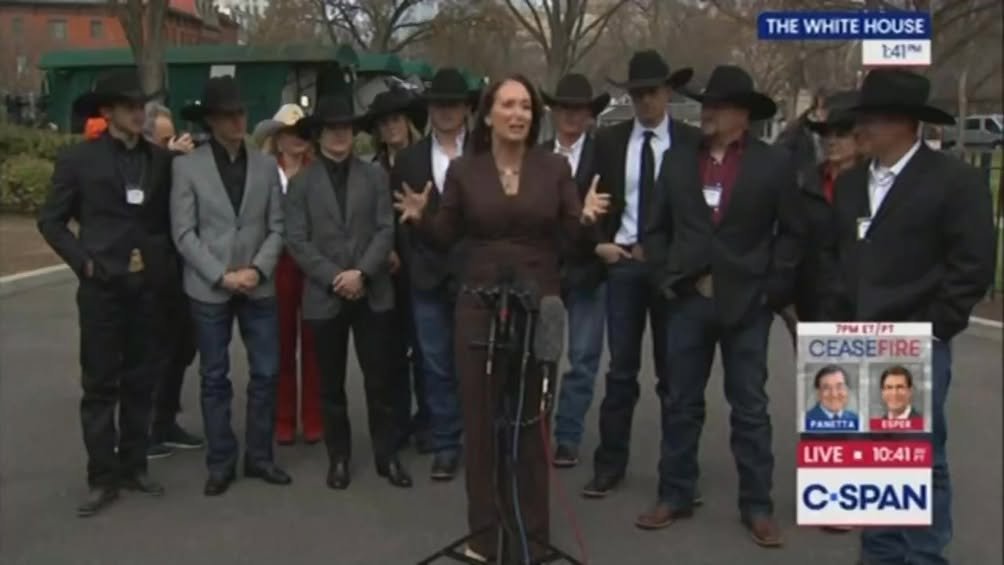
Agriculture Secretary Brooke Rollins just dropped some news that should have all of us paying attention. During a White House press gaggle (fancy talk for an informal chat with reporters), she basically confirmed what farmers across the country have been screaming about for months: production costs are absolutely skyrocketing, and the government might need to step in with another bailout.
Yeah, you read that right. Another bailout.
The Fertilizer Crisis That’s Crushing American Farmers
So what’s driving this mess? One word: fertilizer.
We’re talking about a 30% surge in fertilizer costs—and that’s being conservative. Some farmers are seeing even steeper jumps. Now, I know what you’re thinking: “Okay, but what does fertilizer have to do with me?” Everything, my friend. Absolutely everything.
Think about it like this: fertilizer is to farming what gas is to your car. Without it, nothing moves. Nothing grows. And when the price of that essential input goes through the roof, farmers have basically two choices—eat the costs and go broke, or pass them along to you and me at the grocery store.
Guess which option usually wins?
Why Fertilizer Prices Are Going Insane
Here’s where it gets interesting. Fertilizer prices aren’t just randomly spiking because the universe hates us. There’s a perfect storm brewing:
- Global supply chain disruptions that started during COVID and never really recovered
- Energy costs going bonkers (fertilizer production is incredibly energy-intensive)
- International trade tensions limiting access to key fertilizer-producing countries
- Increased global demand as countries try to boost food security
For us here in Brevard County, this hits particularly close to home. We’ve got agricultural operations throughout the region—from citrus groves to cattle ranches—and they’re all feeling the squeeze.
What Bailouts Actually Mean (And Who’s Really Paying)
Now, let’s talk about these potential bailouts. The White House is “open to providing additional financial aid” to farmers. Sounds generous, right?
Here’s the reality check nobody wants to say out loud: taxpayer money is what funds these bailouts. You. Me. Your neighbor down the street in Viera. We’re the ones writing the check.
And I’m not saying farmers don’t deserve support—they absolutely do. These folks work brutal hours in unforgiving conditions to keep food on our tables. The farming industry is the backbone of American food security. But we need to talk honestly about what’s happening here.
| What’s Affected | Impact on Costs | What It Means for You |
|---|---|---|
| Fertilizer | +30% or more | Higher prices for produce, grains, and anything plant-based |
| Fuel for Equipment | Significant increase | Transportation costs spike, affecting all food prices |
| Feed for Livestock | Rising steadily | More expensive meat, dairy, and eggs |
| Labor Costs | Climbing | Everything costs more to produce |
The Melbourne Connection You Need to Know About
You might be wondering why this matters specifically to us here in Melbourne and the Space Coast. Fair question.
First off, Florida is a major agricultural state. We’re not just about theme parks and beaches—agriculture brings in billions annually. From our iconic citrus industry (already struggling with greening disease) to our cattle operations and specialty crops, Florida farmers are getting hammered by these cost increases.
Secondly, our cost of living here in Brevard County isn’t exactly cheap to begin with. Housing costs have exploded. Insurance is ridiculous. And now food prices are climbing on top of everything else? It’s a lot.
I’ve talked to folks at the Melbourne Farmers Market, and they’re worried. Small-scale producers who sell directly to consumers are trying to absorb costs to keep their customer base, but there’s only so much they can do before the math just doesn’t work anymore.
What This Means for Your Wallet
Let’s get practical for a minute. What can you actually expect?
Higher grocery bills are coming—probably already here, if we’re being honest. Everything from your morning OJ (remember, Florida citrus) to your weekend BBQ supplies is going to cost more. That’s just the reality.
But here’s something most people don’t think about: restaurant prices will follow. All those great spots along Historic Downtown Melbourne? The beachside cafes in Satellite Beach? They’re all buying the same ingredients that are getting more expensive. They’ll have no choice but to raise menu prices.
Smart Moves You Can Make Right Now
I’m not one to just dump bad news and run. Here are some actual strategies that might help:
- Buy local when possible – Shorter supply chains often mean lower costs passed to you
- Stock up strategically – Non-perishables you use regularly? Buy them when they’re on sale
- Get creative with meal planning – Focus on what’s in season and locally abundant
- Consider a small garden – Even a few herbs or tomatoes can offset costs (and fertilizer for home gardens is a different market)
- Connect with local farmers – Many offer CSA boxes or bulk buying options that can save money
The Bigger Picture Nobody’s Talking About
Here’s where I’m going to get a little philosophical on you. This fertilizer crisis and potential bailout situation is really a symptom of something bigger: our food system is fragile.
We’ve built an agricultural model that depends on cheap inputs, global supply chains, and razor-thin margins. When any part of that system gets disrupted—whether it’s a pandemic, international conflict, or climate events—the whole thing wobbles. And we all feel it.
The question we should be asking isn’t just “how do we bail out farmers this time?” It’s “how do we build a more resilient system that doesn’t require constant emergency intervention?”
I don’t have all the answers. Nobody does. But the conversation needs to happen.
What Happens Next?
Secretary Rollins’ comments suggest the administration is taking this seriously. Whether that translates into actual, effective policy remains to be seen. Washington has a habit of announcing things and then getting bogged down in political infighting while real people struggle.
For farmers, the clock is ticking. Planting seasons don’t wait for bureaucracy. They need to make decisions now about what to plant, how much fertilizer they can afford to use, and whether they can even stay in business another year.
For us