
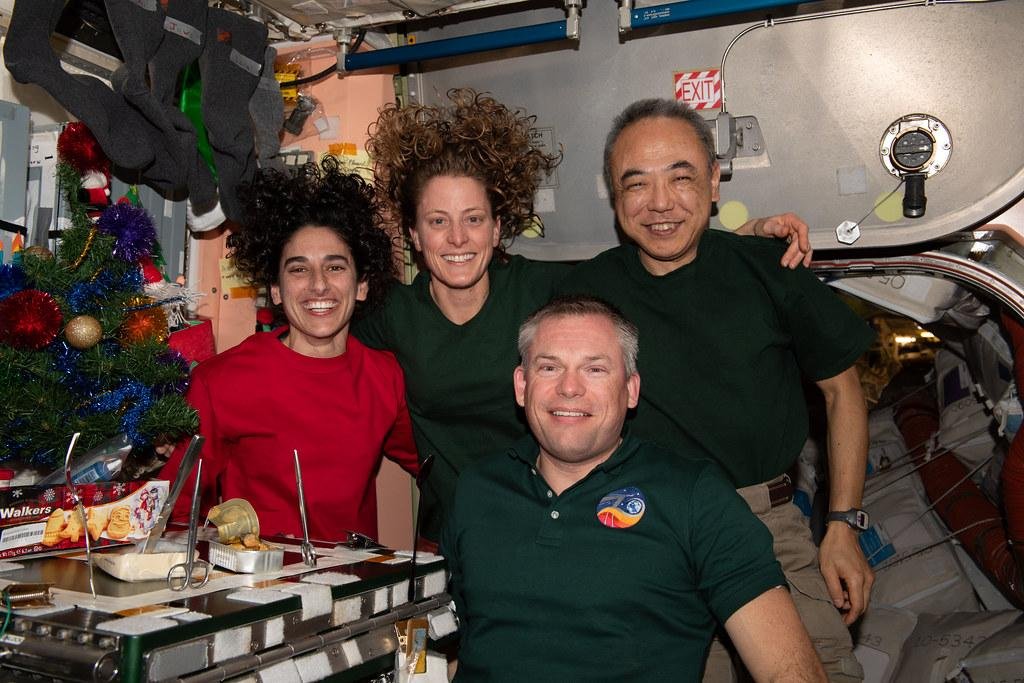
In a remarkable confluence of science, exploration, and human courage, NASA astronaut Don Pettit and his fellow crewmates have reached a new pinnacle in their journey of discovery aboard the Soyuz MS-26 spacecraft. Arriving at the International Space Station (ISS), a marvel of modern engineering and a testament to international collaboration, this mission not only signifies another chapter in Pettit’s storied career as an astronaut but also embodies the spirit of adventure that drives humanity to explore the cosmos. As they step into the microgravity environment of the ISS, Pettit and his team are poised to conduct groundbreaking research that could yield insights into fundamental questions about life, science, and our place in the universe. This article delves into the significance of their arrival, the mission’s objectives, and the enduring legacy of human ingenuity in the final frontier.
Exploring the Journey: Don Pettit and Teams Path to the ISS
The journey to the International Space Station marked a significant chapter in the lives of NASA astronaut Don Pettit and his crewmates. Launching aboard the Soyuz MS-26 spacecraft, their adventure began with the familiar roar of rockets, the violent shake of liftoff, and the thrill of ascending into the vastness of space. This manned mission illustrated not just the technical prowess of the spacecraft but also the unyielding spirit of international collaboration. As Pettit and his fellow astronauts soared through the Earth’s atmosphere, they were propelled by a combination of meticulous training, years of preparation, and a shared dream of advancing humanity’s reach into space, reminding us all of the importance of cooperation in scientific exploration.
Once aboard the ISS, Pettit joined a diverse crew where each member brought unique skills and perspectives to the mission. The challenges faced were numerous, but the team maintained a strong focus on collaboration, blending their expertise seamlessly. Here are some key elements that characterized this remarkable journey:
- Training Regimen: Extensive hours in simulators and classroom sessions honed their skills.
- Team Dynamics: Building trust and respect among crewmates fostered a cohesive unit.
- Scientific Objectives: Focused on conducting experiments that could benefit life on Earth.
The successful arrival at the ISS was celebrated as a testament to not just the might of modern engineering but also the commitment of all those who work tirelessly behind the scenes. The journey underlines the essence of human ingenuity, where each launch represents not merely a voyage into the stars but a leap forward for mankind’s pursuit of knowledge.
Innovations Aboard Soyuz MS-26: Enhancing Space Travel Safety and Efficiency
Recent advancements in spacecraft technology have significantly improved the safety and efficiency of space travel, as evidenced by the latest mission of Soyuz MS-26. This spacecraft features an array of innovative systems designed to enhance crew protection and optimize performance during transit. Key enhancements include:
- Automated Navigation Systems: These cutting-edge systems reduce manual intervention, allowing for more precise docking maneuvers with the International Space Station.
- Upgraded Life Support Mechanisms: Enhanced life support systems ensure a stable habitat for astronauts, bolstering air quality and maintaining optimal pressure levels.
- Improved Thermal Insulation: Advanced materials offer better heat retention and dissipation, safeguarding the crew against extreme temperature variations during the journey.
Furthermore, the incorporation of real-time monitoring systems enables mission control teams on Earth to track the spacecraft’s performance continuously. This proactive approach allows for quick adjustments, ensuring the crew’s safety and mission success. Highlights of these innovations include:
| Innovation | Benefit |
|---|---|
| Real-Time Data Streaming | Immediate feedback on spacecraft conditions |
| Enhanced Crew Communication Tools | Improved dialogue with mission control |
| Emergency Protocol Automation | Swift response during critical situations |
Experiencing Life in Space: Daily Routines and Challenges for Astronauts
Life aboard the International Space Station (ISS) presents a unique blend of opportunity and challenge for astronauts like Don Pettit and his crewmates. Daily routines are meticulously designed to maintain physical health and ensure job performance in microgravity. A typical day includes exercise, scientific research, and maintenance activities. Astronauts spend about two hours daily on physical exercise to counteract the effects of prolonged weightlessness on muscle and bone density. Research activities can range from studying fluid dynamics in microgravity to conducting experiments on growing plants in space, all aimed at unlocking the secrets to long-duration spaceflight and future planetary habitation.
However, the experience doesn’t come without hurdles. The lack of gravity leads to unexpected challenges, such as managing floaty objects and liquids. Astronauts must be adept at dealing with the intricacies of space food and hygiene. To give an idea of their dietary options, here’s a quick overview of typical food types consumed in space:
| Category | Examples |
|---|---|
| Rehydratable Foods | Beef stew, scrambled eggs |
| Thermostabilized Foods | Fruit compote, chicken curry |
| Snacks | Nuts, candy bars |
Maintaining personal hygiene is another critical aspect, as traditional showering is impossible. Instead, astronauts use rinseless body wipes and no-rinse shampoo to stay clean. Life in space is an intricate dance of enjoying the marvels of science while navigating the unexpected adjustments of living in an environment far removed from Earth, requiring not only technical skills but also adaptability and resilience.
The Future of International Collaboration: Insights from the ISS Mission
The journey of astronauts aboard the Soyuz MS-26 spacecraft highlights the essential role of international collaboration in advancing human space exploration. The International Space Station (ISS) serves as a unique platform where astronauts from multiple countries come together to conduct scientific research that benefits all of humanity. This unity in diversity reflects a commitment to share resources, knowledge, and expertise across borders. Working side-by-side, members from different backgrounds break down barriers and foster understanding, demonstrating how shared goals can unite disparate nations in pursuit of a greater good.
Such collaborations not only enhance scientific endeavors but also have profound implications for diplomacy and global relations. The ISS is a testament to what can be achieved when nations lend their strengths to a united effort. The mission showcases crucial aspects of teamwork, including:
- Resource Sharing: Combining technology and research capabilities of various countries.
- Innovative Problem Solving: Diverse perspectives lead to creative solutions for complex challenges.
- Cultural Exchange: Astronauts share their unique experiences, enriching the collective knowledge.
This spirit of collaboration is vital for addressing future challenges. As humanity sets its sights on Mars and beyond, the lessons learned from the ISS will undoubtedly shape the next generation of cooperative space missions.
Q&A
Q&A: NASA Astronaut Don Pettit and Crew Arrive at the International Space Station Aboard Soyuz MS-26
Q: Who is Don Pettit and what is his role in the Soyuz MS-26 mission?
A: Don Pettit is a seasoned NASA astronaut known for his scientific contributions to space exploration. As a flight engineer aboard the Soyuz MS-26 spacecraft, his primary role involves operating the spacecraft in its journey to the International Space Station (ISS), as well as conducting experiments in microgravity once they arrive.
Q: What is the significance of the Soyuz MS-26 mission?
A: The Soyuz MS-26 mission is crucial for maintaining a continuous human presence aboard the ISS. This mission not only supports ongoing scientific research in a microgravity environment but also strengthens international partnerships in space exploration.
Q: How does the Soyuz spacecraft function for transporting crew to the ISS?
A: The Soyuz spacecraft is a reliable and time-tested vehicle designed for crew transport. Equipped with life support systems, navigation technology, and robust safety features, it can carry up to three astronauts. Its capsule shape provides stability during re-entry, ensuring crew safety.
Q: Who are Don Pettit’s crewmates on this mission?
A: Don Pettit is joined by fellow astronauts from various space agencies, including fellow NASA astronauts and international partners. Their diverse backgrounds and expertise contribute to a collaborative approach toward scientific research aboard the ISS.
Q: What experiments and research are Don Pettit and his teammates expected to conduct during their stay aboard the ISS?
A: The crew is slated to perform a range of scientific experiments focusing on microgravity effects on materials, biological studies, and technology demonstrations. Their work will inform future missions to the Moon, Mars, and beyond while advancing scientific knowledge on Earth.
Q: How long is the crew expected to stay aboard the ISS?
A: The astronauts aboard Soyuz MS-26 are scheduled for a duration of approximately six months on the ISS. This extended stay allows for in-depth experimentation and long-term observations of microgravity’s impact on various scientific endeavors.
Q: What challenges might the crew face during their mission?
A: The crew will encounter various challenges, including adjusting to microgravity, maintaining the spacecraft’s systems, and coping with isolation and confinement. Effective communication and teamwork will be essential for overcoming these hurdles and ensuring a successful mission.
Q: What does this mission mean for the future of space exploration?
A: The successful docking of the Soyuz MS-26 spacecraft reinforces the significance of international cooperation in space exploration. It is a testament to ongoing efforts towards sustainable human life in space, paving the way for future missions to deeper realms of the cosmos, such as Mars.
Q: How can the general public stay informed about the mission’s progress?
A: Enthusiasts and the general public can follow the mission’s progress through NASA’s official website, social media channels, and coverage on dedicated space exploration platforms. Live streams and mission updates provide real-time insights into the astronauts’ activities aboard the ISS.
Future Outlook
As the Soyuz MS-26 spacecraft gracefully docked with the International Space Station, a new chapter in the narrative of human exploration unfolded. NASA Astronaut Don Pettit, along with his dedicated crewmates, has joined the ranks of those who dare to venture beyond the confines of Earth. Their arrival marks not just the continuation of scientific discovery, but also the reaffirmation of international collaboration in the quest for knowledge. As they settle into their new home in low Earth orbit, the world watches with anticipation, eager to witness the groundbreaking research and inspiring stories that will emerge from the microgravity of the ISS. In this era of space exploration, every mission carries the potential to unravel mysteries and foster unity among nations, reminding us that the stars are not just a destination but a shared dream. Stay tuned as the journey of exploration continues, illuminating the path ahead for astronauts and space enthusiasts alike.