
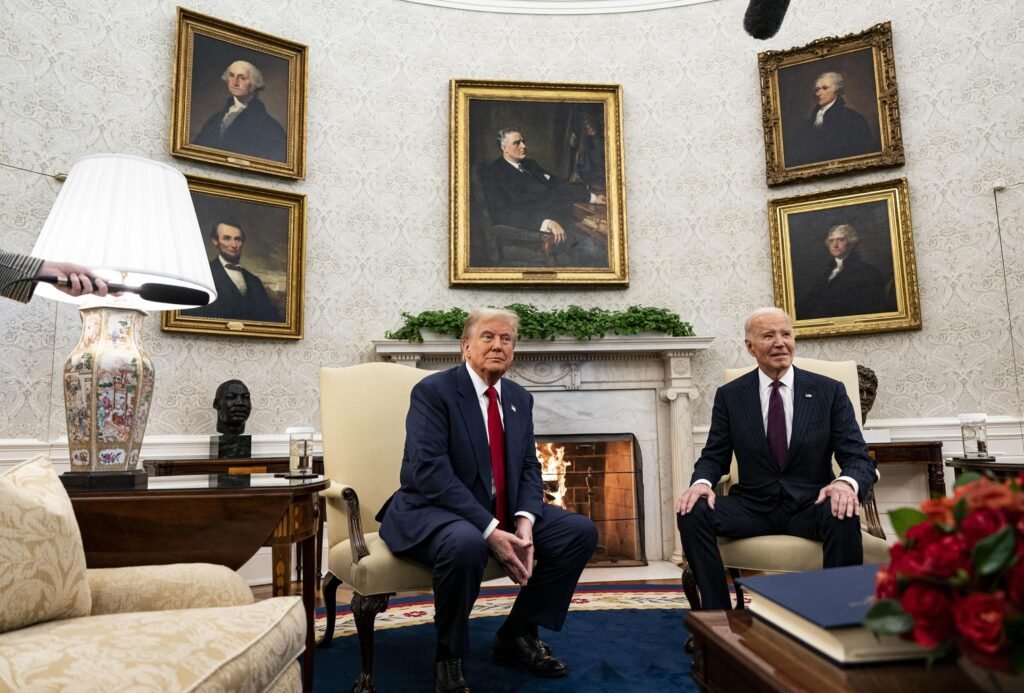
In a surprising turn of events following his election victory, President-elect Donald Trump has appointed Robert F. Kennedy Jr. to lead the U.S. Department of Health and Human Services. Known for his vocal advocacy on environmental issues and vaccine safety, Kennedy brings a distinctive background to a critical cabinet position. His selection signals a potential shift in the nation’s public health approach and ignites dialogue about the future of health policy in America. As the country grapples with ongoing health challenges and the lingering effects of the pandemic, Kennedy’s leadership may usher in a new era of discussion and reform. This article explores the implications of Kennedy’s appointment, the challenges that lie ahead, and the diverse perspectives surrounding his controversial views in the complex landscape of American health care.
Role of Robert F. Kennedy Jr. in Shaping Public Health Policy
Robert F. Kennedy Jr. has long been a prominent figure in the sphere of public health, advocating both for environmental issues and vaccine safety. His appointment to lead the U.S. Department of Health and Human Services marks a pivotal moment where his extensive background could influence the direction of public health policy significantly. Throughout his career, Kennedy has been vocally critical of certain pharmaceutical practices and has called for a more transparent approach to vaccine development and distribution. His commitment to patient rights and environmental health has resonated with many, potentially paving the way for reforms aimed at balancing public health initiatives with individual freedoms.
Under Kennedy’s leadership, we can anticipate a renewed focus on several key areas in public health policy:
- Transparency in Vaccination Programs: Advocating for enhanced oversight and public engagement surrounding vaccination protocols.
- Environmental Health Initiatives: Promoting policies that link public health with clean air and water standards.
- Holistic Approaches to Health Care: Championing integrative health strategies that prioritize preventative measures.
These shifts may encourage a more inclusive dialogue regarding public health practices, taking into account a broader demographic of citizen voices and concerns. Kennedy’s tenure could lead to the implementation of innovative strategies that not only address immediate threats but also consider long-term health outcomes for the population at large.

Navigating Controversies: Balancing Science and Public Sentiment
In the complex landscape of public health, where the intersection of scientific research and individual beliefs often creates friction, Robert F. Kennedy Jr. stands at a pivotal crossroads as he takes the helm of the U.S. Department of Health and Human Services. His appointment invigorates discussions surrounding vaccine skepticism, environmental health, and the broader role of government in public welfare. Critics may view Kennedy’s past positions as polarizing, yet his supporters argue that his advocacy for community health perspectives brings a necessary balance to a bureau traditionally dominated by mainstream medical paradigms. This creates an opportunity for a more inclusive dialogue that considers diverse viewpoints, emphasizing the need for transparency in science and regulatory frameworks.
To effectively navigate these turbulent waters, it is crucial to foster a collaborative atmosphere between scientists, policymakers, and the public. A balanced approach may involve:
- Open Forums: Establishing platforms for public discussion where diverse opinions are valued and respected.
- Empirical Engagement: Funding research that explores the underlying social determinants of health and the nuances of public perception.
- Educational Outreach: Implementing programs that improve health literacy, helping individuals make informed decisions based on evidence rather than fear.
Furthermore, the efficacy of updated health policies could be assessed through metrics that reflect both scientific achievements and public trust. The table below highlights potential indicators of success in this dual approach:
| Indicator | Description |
|---|---|
| Public Trust Surveys | Regular assessments of public confidence in health agencies. |
| Vaccination Rates | Tracking changes in vaccine uptake across different demographics. |
| Community Engagement Metrics | Participation levels in health forums and initiatives. |

Innovative Strategies for Health Equity and Accessibility
The selection of Robert F. Kennedy Jr. to lead the U.S. Department of Health and Human Services signals an opportunity for innovative approaches to address health disparities across the nation. With a focus on community engagement and empowered decision-making, Kennedy’s leadership could catalyze a movement towards inclusive health policies that prioritize marginalized populations. Emphasizing partnerships with local organizations and grassroots initiatives, the department can implement strategies such as:
- Mobile Health Clinics: Expanding access through on-site healthcare solutions in underserved areas.
- Telehealth Services: Leveraging technology to reach individuals who face transportation or mobility challenges.
- Community Health Workers: Training and deploying local advocates to bridge gaps in care and education.
Furthermore, the focus on data-driven decision making could enhance the effectiveness of existing programs by tailoring services to meet the unique needs of diverse populations. By incorporating comprehensive health equity assessments, the department can identify barriers and design interventions that resonate with the affected communities. Initiatives could include:
| Strategy | Potential Impact |
|---|---|
| Outreach Campaigns | Increase awareness about available services and preventative care. |
| Flexible Funding Models | Address unique local challenges with customized financial support. |
With a clear focus on accessibility and inclusivity, these strategies not only aim to elevate the standard of health across demographics but also seek to democratize healthcare, making it a shared right rather than a privilege. Kennedy’s vision could prove pivotal in fostering a more equitable healthcare landscape in the United States.

Future Challenges and Recommendations for the Department of Health and Human Services
The appointment of Robert F. Kennedy Jr. at the helm of the U.S. Department of Health and Human Services (HHS) signals a pivotal moment that will present both challenges and opportunities. As the nation grapples with multifaceted health crises and the aftermath of a global pandemic, Kennedy’s leadership will be scrutinized on multiple fronts. Challenges may include addressing the ongoing repercussions of vaccine misinformation, reinforcing public trust in health initiatives, and effectively managing the healthcare needs of diverse populations. Additional hurdles in the realms of mental health services, substance abuse, and healthcare accessibility cannot be overlooked. An overarching goal will be to streamline healthcare delivery while ensuring equity across income and demographic lines.
To navigate these challenges effectively, several recommendations could prove beneficial. Firstly, establishing a robust communication strategy focused on transparency can help rebuild public trust and counteract misinformation. Secondly, fostering collaborative partnerships with local organizations and community leaders could enhance outreach efforts, particularly in underserved areas. Additionally, leveraging data analytics to identify health trends and needs within communities will facilitate a targeted approach to public health interventions. As part of a strategic roadmap, implementing regular assessments and feedback loops will allow the HHS to adapt and respond dynamically to the evolving landscape of health and human services.
Q&A
Q&A: President-Elect Trump Selects Robert F. Kennedy Jr. to Lead U.S. Department of Health and Human Services
Q: What prompted President-Elect Trump to select Robert F. Kennedy Jr. for this role?
A: President-Elect Trump highlighted Kennedy’s extensive background in environmental issues and public health advocacy as key factors in his selection. Trump stated that Kennedy’s commitment to tackling health challenges aligns with the administration’s goals to improve health outcomes for Americans.
Q: What is Robert F. Kennedy Jr.’s background?
A: Robert F. Kennedy Jr. is an environmental attorney and activist known for his work in public health and environmental protection. He is also a member of the prominent Kennedy family, being the son of former U.S. Attorney General Robert F. Kennedy and the nephew of President John F. Kennedy.
Q: How has Kennedy been received by the public and political circles?
A: Kennedy’s selection has generated mixed reactions. Supporters praise his commitment to public health and advocacy for vaccine safety, while critics express concern over his controversial views on vaccines and other health issues. His nomination is expected to spark significant debate.
Q: What are some of the key issues Kennedy is likely to address as head of the Department of Health and Human Services?
A: As Secretary, Kennedy is expected to focus on vaccine policy, environmental health, and the opioid crisis, as well as initiatives to improve healthcare access and equity. His approach may reflect his advocacy for a more cautious stance on certain medical interventions.
Q: What challenges might Kennedy face in this position?
A: Kennedy may contend with navigating a polarized political climate, balancing public health safety with individual rights, and addressing existing bureaucratic challenges within the Department of Health and Human Services. Additionally, he faces the challenge of building bipartisan support for any new initiatives.
Q: How does this appointment fit into Trump’s overall health policy agenda?
A: This appointment reflects Trump’s strategy of placing unconventional figures in key positions, emphasizing an outsider approach to governance. It signals a potential shift towards prioritizing individual health choices and advocacy, which could reshape the Department’s future initiatives.
Q: What can we expect in terms of policy changes under Kennedy’s leadership?
A: While specific policy changes are still to be determined, analysts anticipate a reevaluation of vaccine-related policies, an increased focus on environmental factors affecting health, and a push for community-level health initiatives. However, any significant shifts will require careful negotiation with Congress.
Q: How might this appointment influence public perception of the health department?
A: Kennedy’s appointment is likely to evoke a strong public response, potentially galvanizing both support and opposition. It may lead to increased public engagement in healthcare discussions, but it could also exacerbate existing divisions regarding health policy and trust in government institutions.
Q: What’s next in the confirmation process for Kennedy?
A: Following the nomination, Robert F. Kennedy Jr. will undergo a confirmation hearing in the Senate, where he will answer questions from lawmakers on his vision for the Department and address any concerns regarding his positions on health and environmental issues. This hearing will be critical in determining his eventual confirmation.
Q: How can citizens stay informed about upcoming developments related to this appointment?
A: Citizens can stay informed by following trusted news outlets, monitoring official statements from the Department of Health and Human Services, and engaging in public forums or town halls where health policy experts discuss implications of Kennedy’s leadership. Social media platforms also offer real-time updates and discussions on this developing story.
Future Outlook
As the nation braces for the unfolding transition of power, the selection of Robert F. Kennedy Jr. to helm the U.S. Department of Health and Human Services under President-elect Trump signals a potentially transformative era in health policy. With a resume steeped in advocacy and controversy alike, Kennedy’s appointment promises to ignite spirited debates on public health, environmental issues, and vaccine policy. Stakeholders across the spectrum will undoubtedly be watching closely as his leadership unfolds, eagerly anticipating how his vision will shape the future of healthcare in America. As we move forward, it will be essential to consider both the challenges and opportunities that lie ahead, and how this new chapter in public health will address the pressing needs of a diverse nation. The dialogue has only just begun, and its implications could resonate for years to come.