
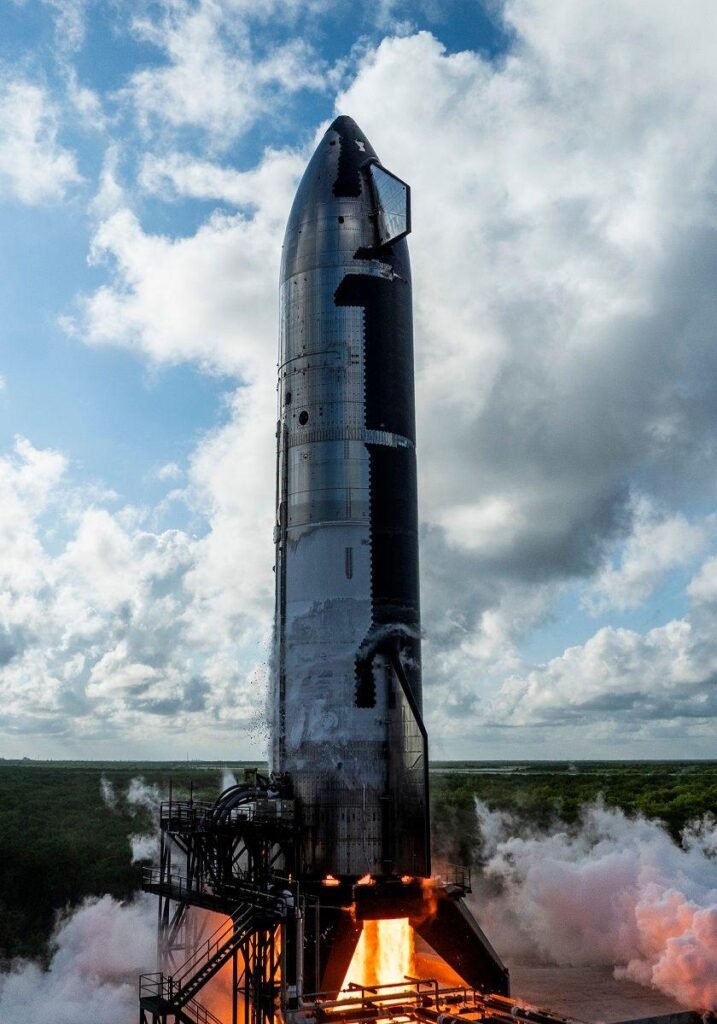
In a stunning display of efficiency and ambition, SpaceX has etched its name into the annals of modern space exploration by successfully completing two launches in a span of just four hours from the storied Space Coast of Florida. As the sun dipped below the horizon and the countdown clocks ticked down, Saturday evening became a testament to technological prowess, operational coordination, and an unwavering commitment to advancing the frontiers of space travel. With both missions showcasing the versatility and reliability of the Falcon 9 rocket, this remarkable achievement not only underscores SpaceX’s growing influence in the aerospace industry, but also sets the stage for an exciting new era of rapid-fire launches that could redefine our relationship with the cosmos. Join us as we delve into the details of this extraordinary feat and explore its implications for the future of space exploration.
Achieving a New Milestone in Rapid Space Launches
The recent achievement by SpaceX marks a significant advancement in the realm of space exploration and commercial aviation. Executing two successful launches within just four hours from the Space Coast, this remarkable feat underscores the growing efficiency and reliability of space travel. This accomplishment not only showcases SpaceX’s technological prowess but also highlights the increasing demand for rapid deployment of satellites and supplies to the International Space Station (ISS). This new benchmark is poised to revolutionize the logistics of space missions, paving the way for future endeavors that require agility and precision.
Key factors contributing to this milestone include:
- Streamlined Operations: Enhanced ground support and quick turnaround times between launches.
- Innovative Technology: Advances in rocket reusability, reducing costs and downtime.
- Collaborative Efforts: Strategic partnerships enhancing payload integration and mission planning.
Such rapid launch capabilities could lead to a future where launching satellites becomes as routine as air travel. As the industry evolves, the implications for commercial space activities, governmental missions, and even space tourism could be profound. The roadmap forward appears clear, with opportunities for further innovation and increased accessibility to space on the horizon.

Technological Innovations Behind SpaceXs Dual Launch Success
SpaceX’s remarkable achievement of launching two rockets in rapid succession from the Space Coast showcases not only proficient engineering but also cutting-edge technological advancements. The integration of autonomous flight safety systems plays a crucial role in allowing for quick turnaround times between launches. These systems reduce the need for extensive ground checks and lengthy safety assessments, enabling engineers to focus on the next rocket as soon as the previous one has returned. Additionally, the refined reusability of Falcon 9 boosters significantly contributes to reduced launch costs and increased launch frequency, as the same hardware can be utilized for multiple missions with only minimal refurbishment required.
Another key innovation is the seamless use of advanced robotics and automation in the launch process. From payload integration to ground support, automated systems facilitate precision and efficiency, minimizing human error and expediting preparation times. The interplay between real-time data analytics and AI-driven software assists SpaceX in monitoring all parameters during the launch, allowing for immediate adjustments if necessary. When combined, these technologies not only enhance the reliability of the launch but also pave the way for future endeavors, such as interplanetary missions. Here is a simple comparison of the technologies involved:
| Technology | Key Feature | Impact on Launches |
|---|---|---|
| Autonomous Systems | Minimized human oversight | Faster launch preparation |
| Reusability | Multiple uses of the same rocket | Cost-effective operations |
| Advanced Robotics | Precision tasks and automation | Reduced error rates |
| Real-Time Analytics | Instant monitoring and adjustments | Enhanced safety and performance |

Environmental Impact and Safety Considerations for Increased Launch Frequency
The recent achievement of launching two rockets within a mere four hours from the Space Coast raises important questions about the environmental implications associated with increased launch frequency. The efficiency of rapid launches is not solely about technological prowess; it intertwines with concerns about atmospheric effects, wildlife disruption, and local ecosystems. Regular launches contribute to greenhouse gas emissions and can increase the prevalence of black carbon particles in the upper atmosphere, which has the potential to influence climate patterns significantly. As the pace of space exploration accelerates, it prompts a critical need to assess the long-term impacts on our planet’s delicate balance.
Moreover, safety considerations are paramount in this new era of intensified space activity. Frequent launches raise indispensable questions about space debris, rocket reliability, and ground safety during ascent and reentry phases. Striking a balance between operational efficiency and risk management is vital. To encapsulate these concerns, here is a brief overview of key safety metrics:
| Aspect | Consideration |
|---|---|
| Space Debris | Monitoring and reduction strategies |
| Rocket Reliability | Enhanced testing protocols |
| Ground Safety | Evacuation and emergency planning |
As stakeholders navigate these challenges, adopting comprehensive strategies to mitigate any adverse outcomes while fostering a sustainable approach to space exploration will be essential for the future of the industry and the well-being of our planet.

Future Implications for Commercial Spaceflight and Global Competitiveness
The successful completion of two launches within a mere four hours by SpaceX underscores a significant leap in the domain of commercial spaceflight. As private enterprises continue to push the boundaries of what is achievable, the implications for global competitiveness are profound. With rapid launch capabilities, companies like SpaceX set a new benchmark for efficiency in the aerospace sector, compelling traditional space agencies to reassess their operational strategies. This heightened competition could catalyze an era of innovation, prompting a diverse array of players to explore more ambitious missions, including lunar landings and interplanetary travel.
Furthermore, the cascading effects of these advancements touch multiple industries and national economies. Increased access to space will not only enhance satellite deployment for communications and data collection but will also drive investment into sectors such as research, technology, and environmental monitoring. The potential for collaboration and competition globally reshapes the landscape, offering emerging nations the opportunity to stake their claim in the new space economy. As this trend continues, monitoring the balance between governmental regulatory frameworks and private sector innovation will be crucial for harnessing the full potential of commercial space endeavors.
To Conclude
In the grand tapestry of space exploration, SpaceX’s remarkable achievement of completing two launches within a mere four-hour window from Florida’s Space Coast stands as a testament to the company’s unparalleled prowess in the realm of aerospace technology. This feat not only showcases the meticulous engineering and logistical mastery that goes into modern space missions but also highlights the ever-accelerating pace of advancements in the industry. As we look to the stars, it’s clear that with successes like these, the horizon for future missions is brighter than ever. With each launch, SpaceX continues to push the boundaries of what’s possible, paving the way for new frontiers in scientific research, satellite deployment, and eventually, human exploration of distant worlds. The countdown may have paused, but the momentum of innovation is set to propel us forward, inviting both enthusiasts and newcomers alike to dream of a future where space is within everyone’s reach.