
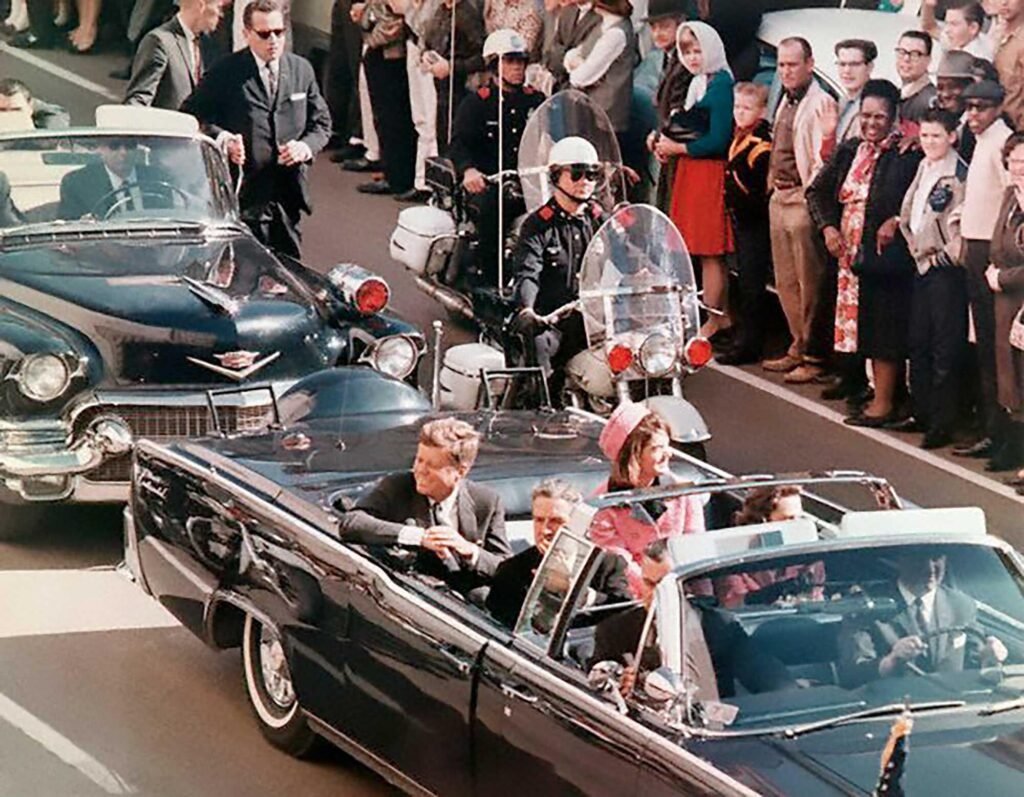
On November 22, 2024, we observe the 61st anniversary of an event that forever altered the course of American history—the assassination of President John F. Kennedy. This tragic day in 1963 not only marked the loss of a leader but also heralded a profound transformation in the national psyche and its ambitions. Kennedy’s vision for America encompassed a bold frontier in space exploration, one that ignited a fervor across the nation and inspired generations to reach for the stars. In Brevard County, home to NASA’s Kennedy Space Center, the echoes of his legacy resonate with palpable vibrancy, as the community remains at the forefront of the nation’s space endeavors. On this somber anniversary, we reflect on JFK’s enduring impact, exploring how his aspirations for space exploration continue to shape both the trajectory of human ingenuity and the local identity of Brevard.
Marking 61 Years: Reflections on JFK’s Vision for Space Exploration
Sixty-one years have passed since the tragic day that shook a nation, yet John F. Kennedy’s vision for space exploration continues to inspire generations. In his famous address at Rice University in 1962, Kennedy boldly declared the United States’ commitment to landing a man on the Moon, encapsulating a dream that transcended politics and accelerated human ingenuity. This vision not only ignited the fervor of innovation but also united a nation in a quest for knowledge that expanded the horizons of science and technology. The ripple effects of his leadership planted the seeds for remarkable achievements in space exploration, laying the groundwork for the innovative endeavors we see today.
As we reflect on JFK’s remarkable legacy, it’s essential to acknowledge the profound impact that his ambition has left on both Brevard County and America’s space agenda. The achievements during the Apollo program catalyzed advancements in various sectors, propelling technological progress that extends beyond the realms of space. Key contributions include:
- Creation of a skilled workforce: The Apollo program necessitated a host of specialized jobs, shaping the region’s economic landscape.
- Technological innovation: Breakthroughs in materials and engineering were driven by the demands of space exploration.
- Educational outreach: Initiatives inspired by JFK’s vision have fostered interest in STEM fields among younger generations.
Today, as we stand on the shoulders of giants, we look forward to the possibilities that lie ahead—one could argue that the spirit of Kennedy’s vision lives on, motivating new frontiers in both crewed and uncrewed missions. Looking at the future, we see the potential for further collaboration in space exploration, guided by the same ideals that sparked a race to the stars. It is a legacy that not only changed the trajectory of a nation but also fundamentally transformed our understanding of what is achievable when we dare to reach for the stars.

The Brevard Connection: How Kennedy Inspired a New Era in Space
In the wake of JFK’s assassination, the impact of his vision for space exploration resonated powerfully through Brevard County and shaped the nation’s pursuit of advancements beyond our atmosphere. His famous 1961 speech before Congress, in which he declared the goal of landing a man on the moon by the end of the decade, ignited enthusiasm and galvanized public support for NASA. The establishment of the Kennedy Space Center, originally known as Cape Canaveral Launch Complex, served as a physical testament to Kennedy’s ambitious vision, transforming the region into a hub for technological innovation and inspiring generations of engineers and astronauts. Key elements that defined this era include:
- Investment in Science Education: Increased funding and focus on STEM programs.
- Community Engagement: Events and initiatives that fostered local support for space missions.
- Technological Advancements: Innovations that emerged from Kennedy’s challenge, paving the way for future space explorations.
The legacy of Kennedy’s vision undoubtedly extended beyond mere ambition; it forged a partnership between government and the private sector that continues to drive exploration today. Job growth in the area surged as new companies and research institutions emerged, drawn by the promise of opportunity and the gravitational pull of the space program. This synergy between the public and private realms led to breakthroughs that changed the landscape of space travel and exploration. In recognition of this profound legacy, we can reflect on the following milestones achieved in Brevard:
| Year | Milestone |
|---|---|
| 1969 | Apollo 11 Moon Landing |
| 1981 | First Space Shuttle Launch |
| 2011 | Final Space Shuttle Mission |
| 2020 | First Private Crew Launch to ISS |

Legacy of Leadership: JFK’s Enduring Influence on NASA and Innovation
John F. Kennedy’s vision for space exploration ignited a passion that transformed the American psyche and established a bold direction for NASA. Under his presidency, he famously declared the ambitious goal of landing a man on the Moon by the end of the 1960s, a challenge that not only galvanized a nation but also laid the groundwork for a technological renaissance. His belief in the importance of space innovation is evident through initiatives that emphasized science education and technological advancement. The investments made during this era fostered a culture of creativity, dedication, and collaboration, elements that remain integral to NASA’s ongoing missions today.
The impact of JFK’s leadership extends beyond concrete accomplishments; it cultivated an enduring spirit of innovation that resonates within the halls of NASA and the broader tech community. His administration encouraged a symbiotic relationship between government, academia, and private industry, fostering a thriving ecosystem where ideas could flourish. This legacy has manifested in initiatives such as the Artemis program and emerging technologies in space travel—each a testament to a dream once proclaimed from the steps of the Capitol. As we reflect on this day, it’s essential to recognize the profound implications of Kennedy’s aspirations, not just for a generation of engineers and astronauts, but for the ongoing evolution of human exploration beyond our planet.
| Key Initiatives | Impact Areas |
|---|---|
| NASA’s Apollo Program | Moon Landing Achievements |
| Science Education Initiatives | Increased STEM Engagement |
| Public-Private Partnerships | Innovation Acceleration |

Looking Forward: Recommendations for Honoring JFK’s Commitment to Progress
As we reflect on the legacy of President John F. Kennedy and his enduring commitment to progress, it becomes imperative to channel that same spirit into our own endeavors. To honor his vision and impact—especially in the realm of space exploration—communities, educational institutions, and government agencies can consider several strategic initiatives. Key recommendations include:
- STEM Education Initiatives: Expand programs that inspire young minds in science, technology, engineering, and mathematics, ensuring they understand the importance of innovation and leadership.
- Public-Private Partnerships: Foster collaborations between governmental agencies and private enterprises to enhance advancements in space technology and aerospace research.
- Community Engagement: Organize public events that celebrate space achievements and showcase the contributions of local pioneers in the field.
Furthermore, elevating our commitment to space exploration requires a renewed focus on sustainability and inclusivity. This can be achieved through:
| Action Item | Objective |
|---|---|
| Develop Inclusive Programs | Ensure equal opportunities for all demographics in space-related fields. |
| Sustainable Practices | Promote environmentally responsible methods in space research and exploration. |
By committing to these recommendations, we can create a future that not only pays homage to JFK’s vision but also propels our nation toward new horizons in exploration and innovation, much like the Mercury and Apollo missions he championed.
Q&A
Q&A: Remembering JFK and His Enormous Legacy on Brevard and the Nation’s Space Program
Q: Why is today significant in relation to JFK’s legacy?
A: Today marks the 61st anniversary of President John F. Kennedy’s assassination on November 22, 1963. His death was a pivotal moment in American history, one that brought both mourning and reflection on his vision for the nation, particularly in space exploration.
Q: How did JFK influence America’s space program?
A: JFK was a passionate advocate for space exploration. His famous call to land a man on the Moon by the end of the 1960s galvanized national support for NASA and redirected resources towards monumental advancements in technology and aerospace. His visionary leadership set the course for what would become a significant era in space history.
Q: What was the significance of JFK’s speech at Rice University?
A: In 1962, JFK delivered an inspiring speech at Rice University where he famously stated, “We choose to go to the Moon in this decade and do the other things, not because they are easy, but because they are hard.” This declaration underscored the U.S. commitment to space exploration and the spirit of innovation, which became a driving force behind NASA’s Apollo program.
Q: How does JFK’s legacy continue to impact Brevard County?
A: Brevard County, home to the Kennedy Space Center, has a direct legacy from JFK’s vision. The region became synonymous with space exploration, hosting countless launches and establishing itself as a hub for aerospace innovation. The local economy, education systems, and community culture have all been shaped by the presence of NASA and the continuing manned spaceflight programs.
Q: Can you share any examples of recent initiatives that reflect JFK’s vision?
A: Recent initiatives such as the Artemis program reflect JFK’s enduring influence, aiming to return humans to the Moon and eventually send astronauts to Mars. Additionally, the ongoing collaborations between private aerospace companies and NASA echo JFK’s ambitious spirit, fostering innovation and public-private partnerships in the quest for space exploration.
Q: Why is it important to remember JFK today?
A: Reflecting on JFK’s legacy allows us to honor his contributions to the nation and recognize the dreams he inspired in generations of Americans. It reminds us of the importance of ambition, leadership, and the pursuit of knowledge as we navigate the challenges of our time—both on Earth and beyond.
Q: What can individuals do to honor JFK’s memory?
A: Individuals can honor JFK’s memory by continuing to advocate for science, technology, engineering, and mathematics (STEM) education, supporting space exploration initiatives, and fostering a culture of curiosity and exploration. Engaging with local museums, participating in space-related events, or simply learning more about the history of the space program can contribute to keeping his vision alive.
In Summary
As we reflect on the 61st anniversary of John F. Kennedy’s assassination, it is essential to acknowledge the profound legacy he left behind—not only in the hearts of the nation but also in the ambitious strides of the space program he fervently championed. Kennedy’s vision and commitment to exploration galvanized a generation, propelling humanity beyond the confines of Earth and into the cosmos. The ripple effects of his presidency continue to resonate across Brevard County and the broader nation, fostering innovation and inspiring countless dreamers and doers. As we remember this pivotal moment in history, let us also celebrate the enduring spirit of exploration and discovery that JFK ignited—a spirit that remains integral to our quest for knowledge and understanding of the universe. In honoring his memory, we reaffirm our dedication to pushing the boundaries of what is possible, ensuring that Kennedy’s legacy continues to inspire future generations.