
In the serene surroundings of Viera, Florida, where sun-drenched landscapes cradle a vibrant community, an unexpected alert has punctured the tranquility. The Florida Department of Health has issued a rabies warning following the concerning diagnosis of a captured fox that tested positive for the virus. As residents grapple with this sudden news, the alert serves as a critical reminder of the delicate balance between wildlife and human habitats. This article delves into the implications of the health department’s findings, the importance of awareness and prevention, and what steps the community can take to safeguard themselves and their pets in the wake of this unsettling development.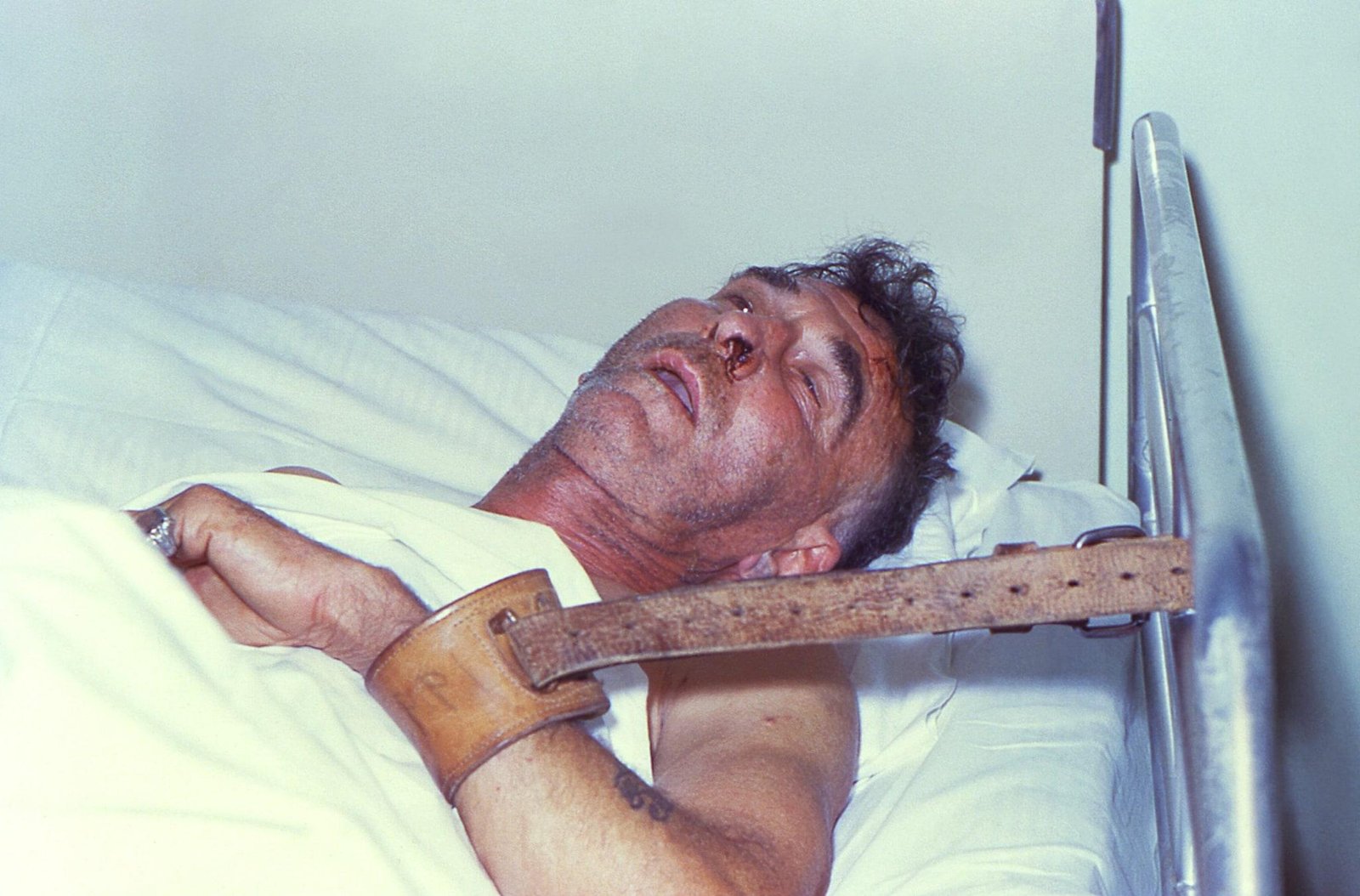
Rabies Alert Unveiled: Understanding the Risks and Implications for the Viera Community
The recent rabies alert in Viera has raised significant concerns among residents regarding the potential health risks associated with the disease. Following the positive test of a captured fox, the Florida Department of Health has emphasized the importance of vigilance in protecting both pets and people within the community. Rabies is a viral infection that can be transmitted through the bite of an infected animal, leading to severe health complications or even death if left untreated. Understanding the transmission pathways and symptoms is crucial for community safety.
To mitigate risks, residents are encouraged to take proactive measures, including:
- Vaccinating pets: Ensure all dogs, cats, and ferrets are up-to-date with rabies vaccinations.
- Avoiding wild animals: Do not approach or attempt to feed any wild animals, particularly those acting strangely.
- Reporting encounters: Immediately report any suspected rabid animals to local wildlife authorities.
Additionally, awareness campaigns and educational workshops will be organized to inform the community about the signs of rabies and proper handling of potential encounters. The health department is committed to keeping the community informed and safe during this alert period.
Effective Prevention: Guidelines for Residents to Safeguard Against Rabies Exposure
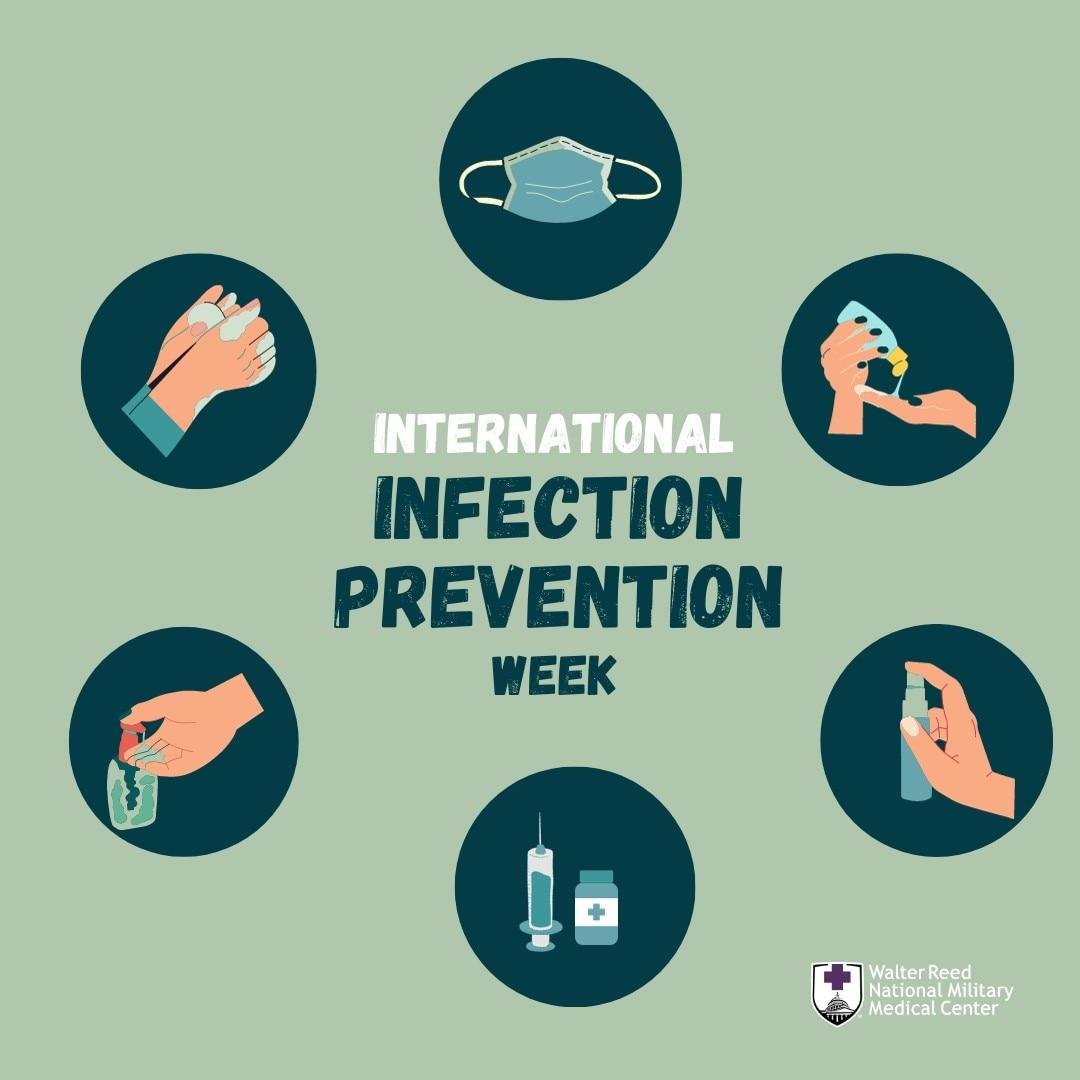
To enhance community safety following the recent rabies alert, residents should take proactive measures to reduce their risk of exposure. The following recommendations are essential:
- Vaccinate Pets: Ensure that your pets are up-to-date on their rabies vaccinations, as this is the first line of defense against exposure.
- Avoid Wild Animals: Keep a safe distance from wild animals, particularly those exhibiting unusual behavior, such as daytime activity or aggression.
- Secure Trash: Store garbage in sealed containers to minimize attracting wild animals, especially raccoons, foxes, and bats.
- Report Suspicious Behavior: Notify local wildlife authorities if you observe any wild animals acting strangely or displaying erratic behavior.
Additionally, it’s vital for residents to educate themselves and their families about rabies and its transmission. A few key points to consider include:
- Human Symptoms: Be aware of the initial symptoms of rabies in humans, including fever, headache, and general weakness, which can progress to severe neurological issues.
- Prophylactic Treatment: Understand that if bitten or scratched by a potentially rabid animal, immediate medical attention is crucial for rabies post-exposure prophylaxis.
- Community Awareness: Share information within your community regarding rabies prevention, as a well-informed public can significantly reduce the risk.
Public Health Response: Measures Taken by the Florida Department of Health
The Florida Department of Health has implemented a series of critical measures in response to the recent rabies alert in Viera. Prompted by the confirmation of rabies in a captured fox, the department has initiated immediate outreach to increase community awareness about the disease and its transmission. Among the key actions taken are:
- Public Awareness Campaigns: Distribution of informational flyers and posters in local parks, community centers, and veterinary offices.
- Community Meetings: Organizing sessions to educate residents on the signs of rabies in wildlife and domestic animals.
- Vaccination Clinics: Providing free or low-cost vaccination services for pets in the affected area to prevent rabies transmission.
- Enhanced Surveillance: Increased monitoring of wildlife populations and stray animals for signs of rabies.
Furthermore, a focused effort is underway to collaborate with local animal control and wildlife agencies. These partnerships aim to ensure a swift response to any reported encounters with potentially rabid animals. The Florida Department of Health is also emphasizing the importance of responsible pet ownership and the need for potential rabies exposure reporting. A table summarizing the key resources and contact information for local health services is provided below:
| Service | Contact Information |
|---|---|
| Florida Department of Health – Rabies Information | (XXX) XXX-XXXX |
| Local Animal Control | (XXX) XXX-XXXX |
| Emergency Veterinary Services | (XXX) XXX-XXXX |
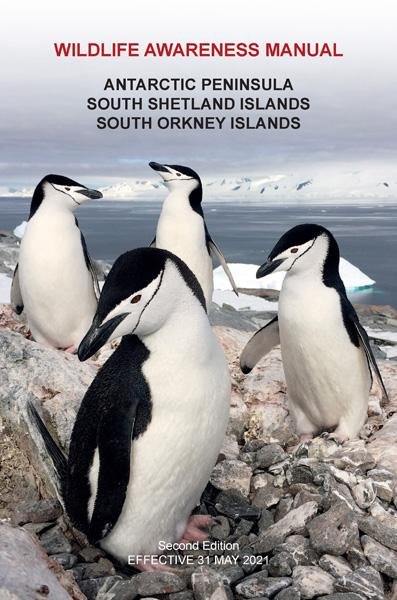
Wildlife Awareness: Encouraging Safe Interactions with Local Animals
As local wildlife continues to thrive in our communities, it’s imperative for residents to remain vigilant about safe interactions with animals. The recent rabies alert in Viera serves as a cautionary tale, emphasizing the need for awareness and education about the wildlife in our neighborhoods. Proper understanding of safe pet practices and an appreciation for wildlife can go a long way in preventing unwanted encounters. To ensure the safety of both residents and local fauna, consider the following precautions:
- Avoid direct contact: Do not approach or attempt to capture wild animals.
- Secure trash bins: Keep food and waste properly contained to deter wildlife from visiting your area.
- Vaccinate pets: Ensure that your pets are up to date on their vaccinations, especially rabies.
- Educate yourself: Learn about the wildlife species in your area, including their behaviors and habits.
| Animal | Rabies Risk |
|---|---|
| Fox | High |
| Raccoon | High |
| Squirrels | Low |
| Deer | Very Low |
Promoting safety while appreciating the beauty of wildlife can lead to fulfilling experiences for all. Residents are encouraged to report any animal exhibiting unusual behavior, seek guidance from local wildlife agencies, and attend community workshops that focus on wildlife awareness. By working together and respecting the natural habitats of these creatures, we can create a safer environment for both humans and wildlife alike.
Q&A
Q&A: Understanding Florida’s Rabies Alert Following Fox Incident in Viera
Q1: What prompted the Florida Department of Health to issue a rabies alert in Viera?
A1: The alert was issued after a fox in the Viera area tested positive for rabies. This raised concerns about public health and potential exposure to the virus, which can be transmitted to humans and domestic animals through bites or scratches.
Q2: How does rabies affect animals and humans?
A2: Rabies is a viral disease that primarily affects mammals, leading to acute inflammation of the brain. In animals, it can cause behavioral changes, paralysis, and ultimately death. In humans, symptoms can take weeks or months to appear after exposure, but once they do, rabies is nearly always fatal if not treated promptly.
Q3: What are the signs that an animal might have rabies?
A3: Common signs of rabies in animals include unusual behavior, such as aggression or lethargy, difficulty walking, and excessive drooling. In many cases, wild animals may appear disoriented and unafraid of humans, which is atypical for their natural behavior.
Q4: How can residents of Viera protect themselves and their pets?
A4: Residents are advised to avoid contact with wild animals and to ensure that their pets are vaccinated against rabies. It’s also important to report any suspicious animal behavior to local authorities and to keep pets on leashes when outdoors.
Q5: Is this incident part of a larger trend in rabies cases within Florida?
A5: While rabies cases do occur intermittently in Florida, they are not extremely common. However, instances involving wildlife can lead to localized alerts, especially in suburban or urban areas where encounters with wild animals may happen more frequently.
Q6: What should someone do if they encounter a wild animal they suspect might have rabies?
A6: If you encounter a wild animal that seems sick or behaves oddly, it’s crucial to maintain a safe distance and not approach it. You should contact animal control or local wildlife authorities for assistance. If bitten or scratched, seek immediate medical attention and report the incident to health officials.
Q7: How long is the rabies alert expected to remain in effect for Viera?
A7: Rabies alerts generally remain in effect for 60 days, but the duration may vary based on ongoing assessments by health officials. Residents should stay informed through official channels for updates regarding the alert status.
Q8: What steps are being taken by health officials following this discovery?
A8: Health officials are conducting outreach to educate the community on rabies prevention and awareness. They are also monitoring the situation closely and working with local animal control to track any potential sightings or additional cases.
Q9: Where can people find more information about rabies and the recent alert?
A9: More information can be found on the Florida Department of Health’s website as well as local health department resources. They provide guidance on rabies symptoms, prevention tips, and updates on the situation in Viera.
Q10: Why is rabies vaccination important for pets?
A10: Vaccination is the most effective way to protect pets from rabies. It not only safeguards the health of pets but also reduces the risk of spreading the disease to humans and other animals. Regular vaccinations can ultimately help reduce the overall incidence of rabies in the community.
Concluding Remarks
the recent rabies alert issued by the Florida Department of Health serves as a vital reminder of the importance of vigilance and awareness regarding wildlife interactions in our communities. The positive test result from a captured fox in Viera underscores the presence of this serious virus in the region. As residents, it is crucial to stay informed, monitor pets, and avoid contact with wild animals that may exhibit unusual behaviors. By taking proactive measures and fostering community education, we can protect ourselves and our loved ones from potential health threats. Let us navigate this challenge together with caution and care, ensuring our environments remain safe for both people and wildlife alike. Stay safe, and remember: awareness is the first step in prevention.