
“`html
Major Prison Contraband Bust at DeSoto Annex: What Was Found Will Shock You
Look, I’ve covered a lot of stories in my time writing about Brevard County and the surrounding Florida area, but this one? This one’s a doozy. The Florida Department of Corrections just dropped photos from a massive contraband seizure at DeSoto Annex, and honestly, the haul looks like something out of a crime drama.
We’re talking about a single prison operation that netted enough illegal items to stock a small electronics store—plus weapons that’ll make your skin crawl.
The Numbers Don’t Lie
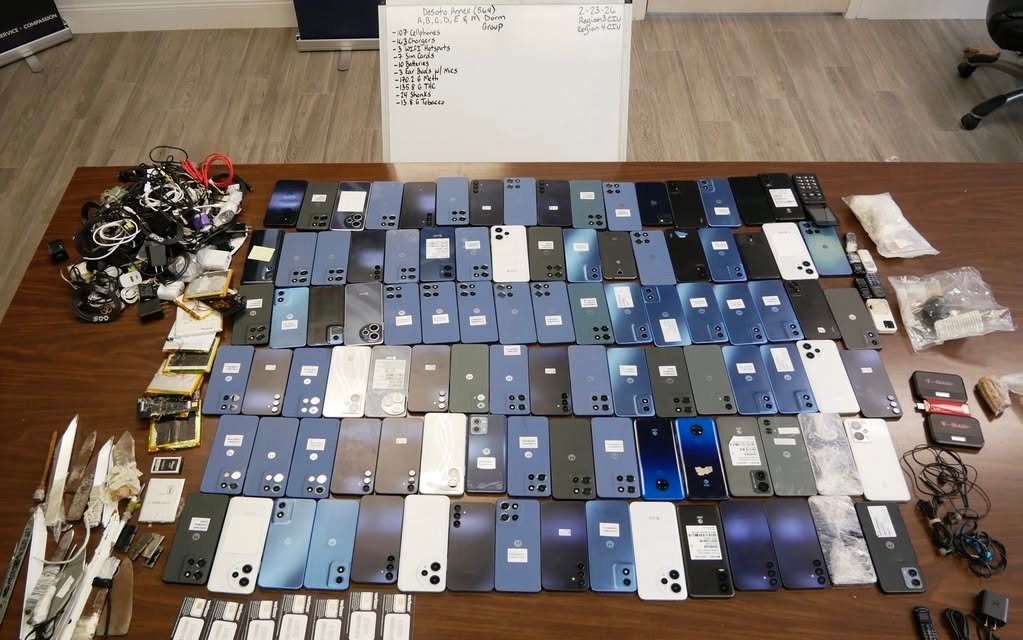
When the CIU (Contraband Interdiction Unit) teams swept through DeSoto Annex, they didn’t just find a few hidden cellphones. They uncovered an entire underground communication and weapon network. Here’s what they pulled out:
- 107 cellphones (yes, you read that right)
- 103 chargers to keep those phones running
- 3 WiFi hotspots for internet access behind bars
- 7 SIM cards
- 10 batteries
- 3 earbuds with microphones
- 24 shanks (homemade weapons)
- 170.2 grams of methamphetamine
Let that sink in for a second. Over a hundred phones. In one facility. During one operation.
Why Should Melbourne Residents Care?
You might be thinking, “Okay, but I live in Melbourne. Why does this matter to me?” Fair question. Here’s the thing—prison contraband isn’t just an “inside” problem. When inmates have unrestricted communication access, they can continue coordinating criminal activity on the outside. That means potentially impacting our neighborhoods, our businesses, and our community safety right here in Brevard County.
The meth alone? That’s enough narcotics to cause serious damage if it had made its way through the prison system and eventually back onto our streets through various channels.
How Does This Much Contraband Get Inside?
I know what you’re wondering. How on earth do over a hundred phones end up inside a correctional facility? It’s a question that keeps law enforcement up at night.
Contraband enters prisons through multiple channels:
- Corrupt staff members who smuggle items for profit
- Visitors who attempt to pass items during contact
- Drones dropping packages over prison walls
- Packages and mail with cleverly concealed items
- Work crews and contractors with access to facilities
The Florida Department of Corrections has been ramping up interdiction efforts, and operations like this one prove they’re making progress. But it’s clearly an ongoing battle.
The Real Danger: Shanks and Meth
While the phones grab headlines—and rightfully so—let’s talk about the 24 shanks for a moment. These aren’t just primitive weapons. Shanks are responsible for countless assaults and deaths in correctional facilities nationwide. Each one represents a potential life-or-death situation for corrections officers and inmates alike.
And then there’s the meth. 170.2 grams might not sound like much if you’re not familiar with drug quantities, but that’s a significant amount. In prison, where supply is limited, that quantity represents enormous value and influence. It also represents addiction, violence over territory, and the continued suffering of people trying to get clean.
| Item Type | Quantity Seized | Primary Danger |
|---|---|---|
| Cellphones & Related Tech | 230 items | Coordinating criminal activity, witness intimidation |
| Shanks | 24 weapons | Violence, assault, murder |
| Methamphetamine | 170.2 grams | Drug trade, addiction, overdose |
What This Means for Prison Safety
Every successful contraband interdiction operation makes Florida prisons safer—not just for the corrections officers who work there, but for inmates trying to serve their time and rehabilitate themselves. When weapons and drugs are removed from the equation, the environment becomes less violent and more conducive to actual correction and rehabilitation.
The FDC has been investing heavily in technology and training to combat contraband. Body scanners, drug-sniffing dogs, cell signal detection equipment, and regular shakedowns are all part of the arsenal. This particular bust shows that these investments are paying off.
The Bigger Picture for Brevard County
Here’s something most people don’t think about: safer prisons mean safer communities when inmates are eventually released. And the vast majority of people currently incarcerated will be released at some point. If their time inside is spent in a violent, drug-fueled environment rather than one focused on rehabilitation, guess what kind of neighbor they’re likely to be when they return to areas like Melbourne, Palm Bay, or Cocoa?
This operation at DeSoto Annex is a win for public safety that extends far beyond the prison walls. It’s a win for the corrections officers who face danger every day. It’s a win for inmates trying to stay clean and do their time peacefully. And yes, it’s a win for all of us living in the Space Coast area.
What Happens Next?
The contraband has been seized and catalogued. You can bet investigations are underway to determine how such a large quantity of prohibited items made it inside. There will likely be criminal charges filed against individuals involved in smuggling operations—both inmates and potentially staff or outside conspirators.
But the real question is: how much more is still out there? This was one operation at one facility. Florida has dozens of correctional institutions, and contraband remains an ongoing challenge at every single one.
The FDC’s commitment to these interdiction efforts needs to continue and expand. Because for every 107 phones seized, there are likely more being smuggled in as we speak.
Stay Informed About Local Safety Issues
As Brevard County residents, staying informed about what’s happening in our area—including at nearby correctional facilities—helps us understand the broader safety landscape. Operations like this don’t just happen in isolation. They’re part of a larger effort to keep our communities safe and secure.
The photos released by the Florida Department of Corrections tell a powerful story. Rows of cellphones, piles of chargers, and a disturbing array of homemade weapons—all removed from circulation in one sweep. It’s impressive work by the CIU teams, and it’s the kind of vigilance we need to see more of.
So next time someone tells you prison is “easy time,” you might want to show them these numbers. And next time you’re thinking about public safety in Melbourne and the surrounding areas, remember that it includes what’s happening behind bars too. Because ultimately, it all connects back to the safety and wellbeing of our community.
What are your thoughts on prison contraband operations? Have you noticed improved safety in our area? The conversation matters, and staying engaged with local public safety issues helps keep Brevard County the place we all want to call home.
Post navigation