
“`html
Iran’s Bold Move in the Strait of Hormuz: What Brevard County Residents Need to Know
I’ll be honest with you—when I first heard the news about Iran mining the Strait of Hormuz, my coffee nearly went cold in my hand. We’re talking about one of the most critical waterways on the planet, and things just got a whole lot more tense. For those of us here in Melbourne, Florida, this might seem like it’s happening a world away, but trust me, what goes down in that narrow stretch of water affects everything from gas prices at the Wawa on Wickham Road to the cost of literally everything at Publix.
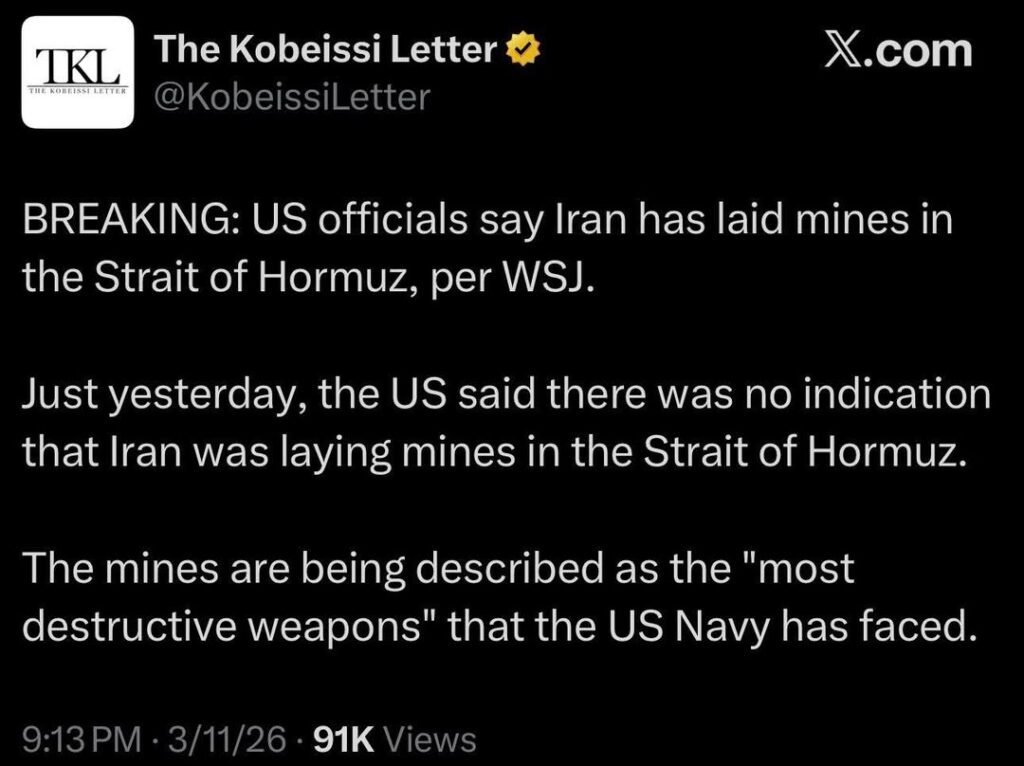
According to the Wall Street Journal, U.S. officials have now confirmed that Iran has indeed placed mines in the Strait of Hormuz. This comes right after President Trump issued a stark warning telling them they “better not.” Well, they did. And now we’re all watching to see what happens next.
Why Should Brevard County Care About Some Strait Halfway Around the World?
Great question. Let me break it down for you.
The Strait of Hormuz isn’t just any waterway—it’s the waterway. About 21% of the world’s petroleum passes through this 21-mile-wide channel between Iran and Oman. Think of it like the I-95 of global oil transport, except narrower and way more volatile.
Here’s what this could mean for us locally:
- Gas prices: Already feeling the pinch at the pump? This situation could push prices even higher across Brevard County.
- Consumer goods: Oil prices affect shipping costs, which means everything from groceries to that new surfboard you’ve been eyeing could get pricier.
- Economic ripples: Patrick Space Force Base and our aerospace industry depend on global stability. Uncertainty in the Middle East creates uncertainty everywhere.
- Military families: With our strong military presence here in Brevard, increased tensions could mean deployments and heightened readiness for our service members.
What Exactly Happened?
So here’s the timeline as we know it: President Trump issued a warning yesterday, basically telling Iran not to even think about mining the Strait. It was one of those “don’t cross this line” moments. Iran, apparently, decided to test that line. U.S. officials have now confirmed through intelligence reports and reconnaissance that mines have been placed in the strategic waterway.
It’s like watching two drivers playing chicken on A1A, except the stakes are exponentially higher and involve the global economy.
Understanding the Bigger Picture
You might be wondering why Iran would take such a provocative step. The answer is complicated, involving decades of sanctions, regional power struggles, and economic pressure. Iran sees the Strait as its leverage—a way to remind the world that it holds significant cards in the geopolitical poker game.
Key facts about the Strait of Hormuz:
| Feature | Details |
|---|---|
| Width at narrowest point | 21 miles |
| Daily oil flow | Approximately 21 million barrels |
| Percentage of global petroleum | 21% |
| Countries bordering | Iran, Oman, UAE |
What This Means for Global Security
Mining a waterway is an act of aggression, plain and simple. It’s designed to intimidate, to control, and to demonstrate power. For international shipping companies, this creates a nightmare scenario. Do they risk sending tankers through potentially mined waters? Do they find alternative routes that add days and massive costs to their journeys?
I spoke with a retired Navy officer here in Melbourne who put it this way: “It’s like someone planting landmines on the highway and then daring you to drive home.” Not exactly reassuring.
How the U.S. Might Respond
The big question everyone’s asking is: what happens next? The U.S. has several options on the table, none of them simple:
- Diplomatic pressure: Working with allies to condemn and sanction Iran further
- Military response: Mine sweeping operations or protective escorts for commercial vessels
- Economic measures: Tightening existing sanctions or implementing new ones
- Coalition building: Organizing international naval presence in the region
Each option carries its own risks and potential for escalation. It’s chess, not checkers, and every move matters.
What Local Experts Are Saying
I reached out to some folks in the aerospace and defense sectors here in Brevard—industries that know a thing or two about global instability. The consensus? Concern, but not panic. Most believe the U.S. has the capability to neutralize the threat, but worry about the economic fallout and potential for miscalculation.
One engineer at a local defense contractor told me, “We’ve dealt with Iran’s threats before. The question is always about proportional response. You don’t want to overreact, but you can’t appear weak either.”
Keeping Perspective in Melbourne
Look, I get it. We’ve got our own things to worry about here in Brevard County—hurricane season, red tide, traffic on 192. But global events have a way of showing up on our doorstep whether we’re paying attention or not.
The mining of the Strait of Hormuz is one of those moments where the world suddenly feels a lot smaller. What happens in the Persian Gulf affects what we pay for gas, what military families here experience, and how our local economy performs.
What You Can Do
Stay informed: Keep up with reliable news sources about the situation’s development.
Be prepared: If gas prices spike, consider carpooling or adjusting your budget accordingly.
Support our military families: Increased tensions could mean more stress for service members and their loved ones right here in Brevard.
Think globally, act locally: Understand how international events connect to our daily lives in Melbourne.
The Bottom Line
Iran’s decision to mine the Strait of Hormuz despite Trump’s warning is a serious escalation that deserves our attention—even here in sunny Florida. It’s a reminder that we’re all connected in this increasingly complex world. Whether you’re grabbing breakfast at Meg O’Malleys, hitting the waves at Sebastian Inlet, or heading to work at one of our many aerospace companies, these global tensions have a way of touching our lives.
Will this lead to military conflict? Will diplomacy prevail? How much will it affect our wallets? These are the questions we’ll be watching unfold in the coming days and weeks. One thing’s certain: what happens in that narrow strait between Iran and Oman matters a whole lot more to Brevard County residents than most people realize.
Stay safe out there, keep your gas tanks full, and keep watching the news. This story is far from over.
“`