
“`html
When Protection Goes Wrong: The Kuwaiti Friendly Fire Incident That Has Everyone Talking
Look, I’ll be straight with you – this morning brought news that nobody wants to hear, but it’s the kind of story that reminds us just how complicated modern warfare really is. Three American F-15 fighter jets were accidentally shot down by Kuwaiti air defense systems. Yes, you read that right. Our allies shot down our planes by mistake.
Now, before we dive deeper, I want you to think about what that means for the pilots, their families, and the incredibly complex situation unfolding half a world away from our quiet beaches here in Melbourne, Florida.
But here’s where the story takes a turn toward humanity.
The Footage That’s Going Viral
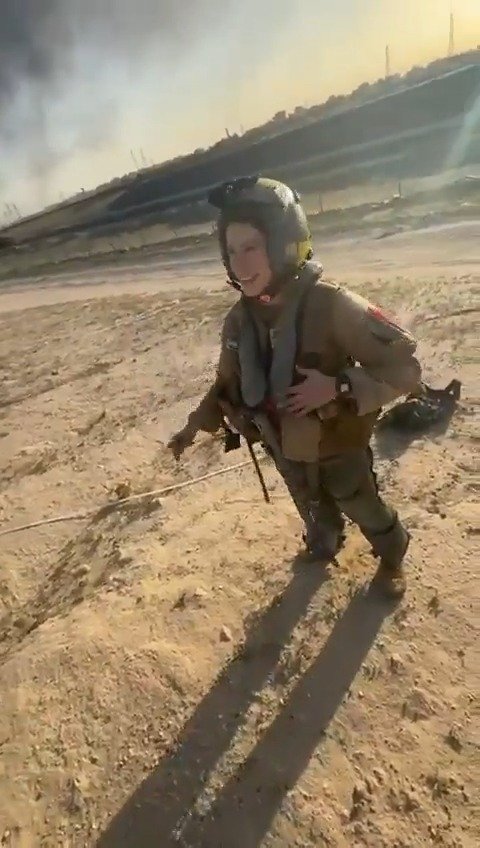
The internet is buzzing with footage showing Kuwaiti locals rushing toward one of the downed American F-15 pilots. And honestly? What happens next might surprise you. Instead of anger or confusion, you hear something completely unexpected:
“Are you OK? Thank you for helping us.”
Let that sink in for a moment. Despite the chaos, despite the accident, despite everything – the first words out of these civilians’ mouths were concern and gratitude. In a world that often feels divided, this moment of genuine human connection hits different.
What Actually Happened This Morning?
Military accidents aren’t new, but they’re always sobering. The Kuwaiti Air Defense systems, designed to protect against threats, mistakenly identified three U.S. F-15 Eagles as hostile targets. The result? Three of America’s most advanced fighter jets were brought down not by enemy fire, but by friendly forces.
For those of us watching from Brevard County, this might seem distant. But remember – Patrick Space Force Base is right here in our backyard. Some of those pilots? They could be our neighbors. The person bagging your groceries at Publix might have a son or daughter serving overseas right now.
Why This Matters to Melbourne Residents
You might be wondering why you should care about something happening thousands of miles away. Fair question. Here’s my take:
- Military Connection: Our community has deep ties to military and aerospace operations. Patrick Space Force Base, Cape Canaveral Space Force Station – we’re surrounded by service members and their families.
- Human Impact: These aren’t just statistics. These are real people with families who worry every single day.
- Technology Questions: If advanced air defense systems can make these kinds of mistakes, what does that mean for future operations?
- Alliance Concerns: Kuwait is a key U.S. ally in the Middle East. This incident will undoubtedly affect strategic relationships.
The Bigger Picture: Friendly Fire in Modern Warfare
Here’s something that doesn’t get talked about enough – friendly fire incidents account for a surprising percentage of military casualties. It’s not because anyone’s incompetent. It’s because modern warfare is incredibly complex.
Think about it this way: You’re operating air defense systems designed to make split-second decisions about incoming aircraft. You’ve got multiple countries’ aircraft in the same airspace. Communication systems have to be perfect. Identification systems have to be flawless. And all of this happens at speeds that would make your head spin.
One small glitch, one miscommunication, one technical failure – and tragedy strikes.
What We Know (And Don’t Know) Right Now
| Confirmed Information | Still Under Investigation |
|---|---|
| Three U.S. F-15 fighters were shot down | Exact cause of the misidentification |
| Kuwaiti air defense systems were responsible | Condition of all pilots involved |
| At least one pilot survived and made contact with locals | Whether communication protocols were followed |
| Kuwaiti civilians showed immediate concern and gratitude | Long-term impact on U.S.-Kuwait military cooperation |
The Human Element: What That Footage Really Shows
I’ve watched that video clip several times now, and each time it hits me the same way. You’ve got a pilot who just ejected from a multimillion-dollar fighter jet after being shot down by supposed allies. He’s probably disoriented, possibly injured, definitely running on pure adrenaline.
And the first people he encounters? They’re worried about him. They’re thanking him.
That’s the kind of grace under pressure that transcends politics, military strategy, and international relations. That’s just good people being good people when it matters most.
Questions Everyone’s Asking
How Do These Mistakes Even Happen?
Great question. Modern air defense systems rely on something called IFF – Identification Friend or Foe. These systems send out electronic signals that aircraft should respond to with the correct codes. When everything works perfectly, it’s foolproof. But technology fails. Codes get outdated. Systems glitch. Human operators make judgment calls in milliseconds.
Add in the fog of war, multiple nations operating in the same space, and high-stress situations, and you’ve got a recipe for potential disaster.
Are the Pilots OK?
From the footage, we know at least one pilot survived and was mobile enough to interact with Kuwaiti civilians. But that’s just one of three. The military hasn’t released full details about the condition of all pilots involved, which is standard operating procedure until families are notified.
What Happens Next?
There will be investigations. Lots of them. The U.S. military will want to know exactly what went wrong. Kuwait will be conducting their own review. And somewhere in a Pentagon office, people are already working on new protocols to prevent this from happening again.
But investigations take time. Right now, the focus is on the people involved – getting them medical care, supporting their families, and figuring out what immediate changes need to happen.
A Local Perspective on Global Events
Sitting here in Melbourne, watching the waves roll in at Paradise Beach, it’s easy to feel disconnected from events in the Middle East. But we’re not. Not really.
Our community knows military service. We see the planes overhead. We hear the launches from the Space Coast. Some of us have served. Many of us have family members who currently serve. When something like this happens, it ripples through our community in ways that might not be immediately obvious.
That guy at the gym wearing the Air Force shirt? He might be processing this news differently than you. The family dining at the table next to you at Meg O’Malley’s? Their son might fly F-15s. These stories aren’t abstract when they’re part of our neighborhood fabric.
What We Can Learn From This Moment
I think there are a few takeaways worth considering:
Technology Isn’t Perfect: We put a lot of faith in advanced systems, but human oversight and judgment still matter tremendously.
Humanity Transcends Conflict: That footage of Kuwaiti civilians rushing to help an American pilot shows you what really matters when everything else strips away.
Alliances Are Complex: Even the strongest partnerships face challenges. How we respond to those challenges defines the relationship.