
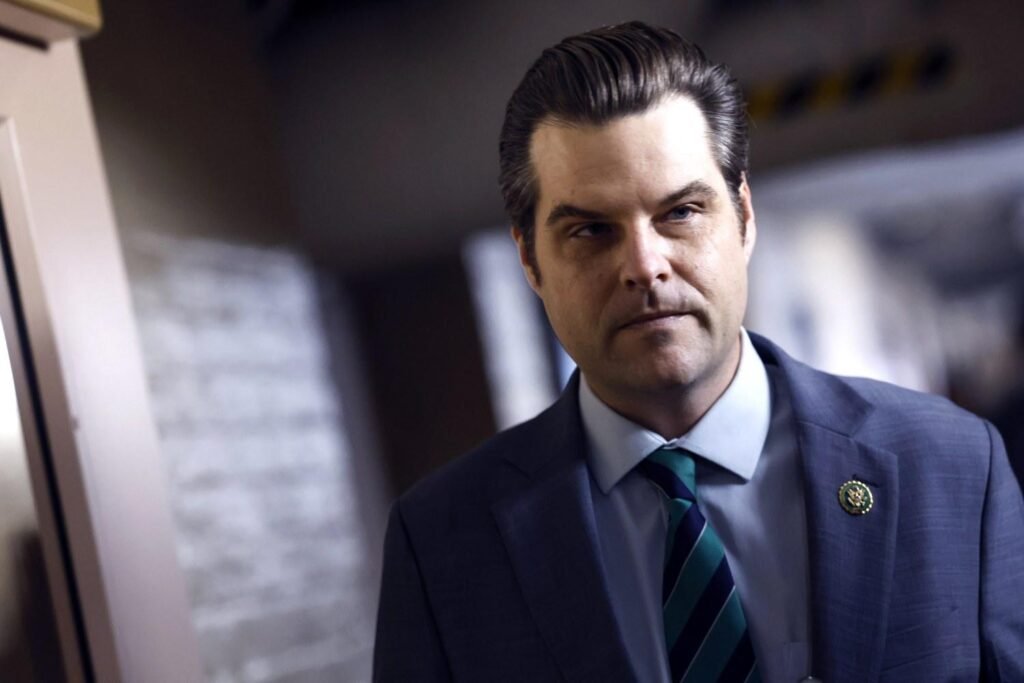
In a surprising turn of events, Florida Congressman Matt Gaetz has officially withdrawn his name from consideration for the role of U.S. Attorney General, a position that has been under the spotlight for its pivotal role in shaping the nation’s legal landscape. Gaetz’s decision comes amid a complex backdrop of political maneuvering and shifting priorities within the current administration. As discussions surrounding the future of the Department of Justice continue, Gaetz’s withdrawal raises questions about the implications for both his political trajectory and the broader ambitions of the executive branch. With voices on both sides weighing in, this development warrants a closer examination of what it means for the future of American jurisprudence and political strategy.
Impact on Political Landscape and Future Strategies
The decision by Matt Gaetz to withdraw from consideration as U.S. Attorney General has significant implications for the political dynamics within the GOP and the broader American political landscape. Gaetz’s exit removes a polarizing figure from the running, which could signal a shift toward more moderate candidates in the eyes of party leadership. This change may affect various factions within the Republican Party, potentially steering the conversation towards more collaborative approaches in the wake of internal divisions. As party members seek to consolidate power and align their strategies for upcoming elections, this withdrawal may create space for emerging leaders who can appeal to a broader base.
Additionally, the ripple effects of Gaetz’s decision could redefine strategic alliances and influence key policy discussions moving forward. By stepping aside, he opens the door for other potential nominees who might prioritize issues such as criminal justice reform, healthcare legislation, and immigration policy over the more controversial topics that characterized his tenure in Congress. As the Republican Party looks ahead, it may need to recalibrate its platform to resonate more with independent voters, who are crucial for future electoral success. The following table illustrates possible future strategies as the party reassesses its direction:
| Strategy | Description |
|---|---|
| Broaden Messaging | Shift focus to unity and bipartisan support on key issues. |
| Strengthen Outreach | Engage with younger voters through social media and grassroots initiatives. |
| Reevaluation of Policies | Assess and potentially moderate stances on divisive issues. |
| Cultivate New Leaders | Identify and groom candidates with broader appeal for future elections. |

Exploring the Motivations Behind Gaetzs Decision
Matt Gaetz’s decision to withdraw from consideration as U.S. Attorney General sends ripples through political circles, prompting speculation about the underlying motivations behind this choice. Several factors may have influenced his stance, including the current political climate, public opinion, and personal priorities. Notably, the heightened scrutiny and demands of the role could be daunting for any politician, especially for someone embroiled in ongoing controversies. The prospect of heightened media attention and potential legal challenges may have prompted Gaetz to reconsider, leading to his withdrawal.
Furthermore, his decision may align with strategic political interests. By stepping back from a high-profile role like Attorney General, Gaetz could be positioning himself for a future in which he can leverage his profile and influence in other ways. He might prioritize maintaining his congressional seat and focusing on issues important to his constituents. Key motivations might include:
- Maintaining Political Capital: Avoiding potential backlash from a contentious role.
- Homefront Focus: Concentrating efforts on local constituents and regional issues.
- Future Aspirations: Preserving flexibility for future political opportunities.

Potential Candidates to Watch for Attorney General Position
With Matt Gaetz stepping back from the pursuit of the U.S. Attorney General position, a variety of potential candidates are now emerging as front-runners for this crucial role. Key figures with contrasting backgrounds and qualifications are generating considerable interest within political circles. As the search intensifies, watch for candidates such as:
- Kristi Noem – The Governor of South Dakota, known for her strong conservative stance and commitment to law enforcement.
- Tom Cotton – Senator from Arkansas, noted for his national security expertise and advocacy for tough-on-crime policies.
- Michelle Malkin – Conservative commentator and author, who has a passionate following and a distinct voice in the political landscape.
Further adding to the dynamic of potential nominees, a diverse array of legal professionals and politicians bring their unique experiences to the table. Each of these candidates presents their own vision for the Department of Justice and how it should operate under their guidance. Here’s a brief overview of their credentials:
| Name | Background | Key Issues |
|---|---|---|
| Kristi Noem | Governor | Law enforcement funding, criminal justice reform |
| Tom Cotton | U.S. Senator | National security, immigration policy |
| Michelle Malkin | Commentator | Free speech, media accountability |

Expert Opinions on the Implications for Law and Order Policy
The recent withdrawal of Matt Gaetz from consideration to serve as U.S. Attorney General has sent ripples through the landscape of law and order policy in the United States. Political analysts argue that this development could signify a shift in the Biden administration’s strategy toward appointing individuals whose legal and moral stances resonate with broader public sentiment. Experts suggest that his absence might open doors for candidates who prioritize a balanced approach to law enforcement and judicial reform, emphasizing the need for transparency and accountability within the justice system. This could potentially reshape policies surrounding critical issues such as criminal justice reform, policing practices, and community engagement in law enforcement activities.
Several experts believe the implications of this change could extend beyond mere appointments, influencing legislative agendas and public discourse on safety and justice. Stakeholders from various sectors, including law enforcement, civil rights organizations, and governmental agencies, may now reassess their policies and advocacy efforts in light of new leadership possibilities. Key implications highlighted by professionals include:
- Community Trust Building: A shift towards nominees with a strong advocacy for community-police relations could foster trust.
- Focus on Rehabilitation: A renewed emphasis on rehabilitation over punitive measures might address systemic inequalities.
- Data Transparency: Enhancements in data reporting on crime and policing could drive informed policy changes.
Q&A
Q&A: Matt Gaetz Withdraws from Consideration for U.S. Attorney General
Q: What prompted Matt Gaetz to withdraw from consideration for the position of U.S. Attorney General?
A: While specific details regarding the decision have not been publicly disclosed, sources suggest that political challenges and personal considerations may have played a significant role in his withdrawal.
Q: How does Gaetz’s withdrawal affect the current administration’s search for a new Attorney General?
A: Gaetz’s decision adds another layer of complexity to the search for an Attorney General. The administration will continue to explore potential candidates who align with its priorities, but they may need to adjust their strategy in light of Gaetz’s departure.
Q: What experience did Gaetz bring to the table that made him a potential candidate for this position?
A: As a sitting congressman from Florida, Gaetz has been involved in various legislative efforts and has a strong background in lawmaking. His experience as a vocal advocate on certain issues could have appealed to some factions within the party.
Q: Was there any significant public reaction to Gaetz’s initial consideration for the role?
A: Yes, there was a mixed response. Supporters touted his commitment to conservative values, while critics raised concerns about ongoing legal controversies and past statements that may not align with the role’s responsibilities.
Q: What are some potential next steps for Gaetz following his withdrawal?
A: Gaetz may choose to continue focusing on his congressional duties, or he might seek to amplify his platform on issues he is passionate about. There is also the possibility he could explore other roles within the public or political sphere.
Q: How does this withdrawal impact Gaetz’s political career moving forward?
A: Gaetz’s political future could be influenced by this decision. While it may open doors for him to maintain his focus in Congress, it could also put him under increased scrutiny from both supporters and detractors as he navigates his political landscape.
Q: In the context of the broader political environment, what does this withdrawal signify?
A: Gaetz’s withdrawal reflects the intricate dynamics within the current political climate, showcasing the challenges candidates face in balancing public perception, party expectations, and personal decisions in a rapidly evolving landscape.
Q: Will Gaetz remain a relevant figure in future political discussions?
A: Given his history and active engagement in political discourse, it is likely that Gaetz will continue to be a prominent figure, especially among conservative circles. His opinions and actions will inevitably shape discussions on various legislative issues.
Q: What are the next steps for the Biden administration regarding the Attorney General position?
A: The Biden administration is expected to reassess its candidate pool and identify individuals who meet their criteria for the crucial role, focusing on candidates with strong legal backgrounds and alignment with the administration’s policy goals.
Wrapping Up
In a surprising turn of events, Matt Gaetz has officially withdrawn from consideration for the position of U.S. Attorney General, leaving many to ponder the implications of his decision on both his political future and the landscape of the Justice Department. While the reasons behind Gaetz’s withdrawal remain largely speculative, it highlights the complexities and challenges that often accompany high-profile political appointments. As the search continues for a candidate to fill this pivotal role, the nation watches closely, aware that the choice of Attorney General is not just a matter of political preference, but one that will shape the legal framework and justice policy for years to come. Whether this marks a new chapter for Gaetz or a strategic retreat, only time will reveal the full story. As we move forward, it’s essential to engage with the evolving political dynamics and consider the broader narratives at play in American governance.