

In an era where our reliance on technology continues to soar, the unseen forces of space weather hold more significance than ever before. From affecting global communication systems to influencing satellite operations, understanding the cosmic environment is vital for ensuring the safety and security of critical infrastructure on Earth. Recently, NASA has taken a bold step to enhance its capabilities in this arena by awarding a substantial $60 million contract to bolster the National Oceanic and Atmospheric Administration’s (NOAA) Space Weather Program. This collaboration aims to deepen our insights into solar phenomena and their potential impacts on our daily lives, marking a pivotal moment in advancing our approach to space weather forecasting and preparedness. As we embark on this journey of exploration and discovery, it is essential to delve into the implications of this significant investment for both scientific research and societal resilience.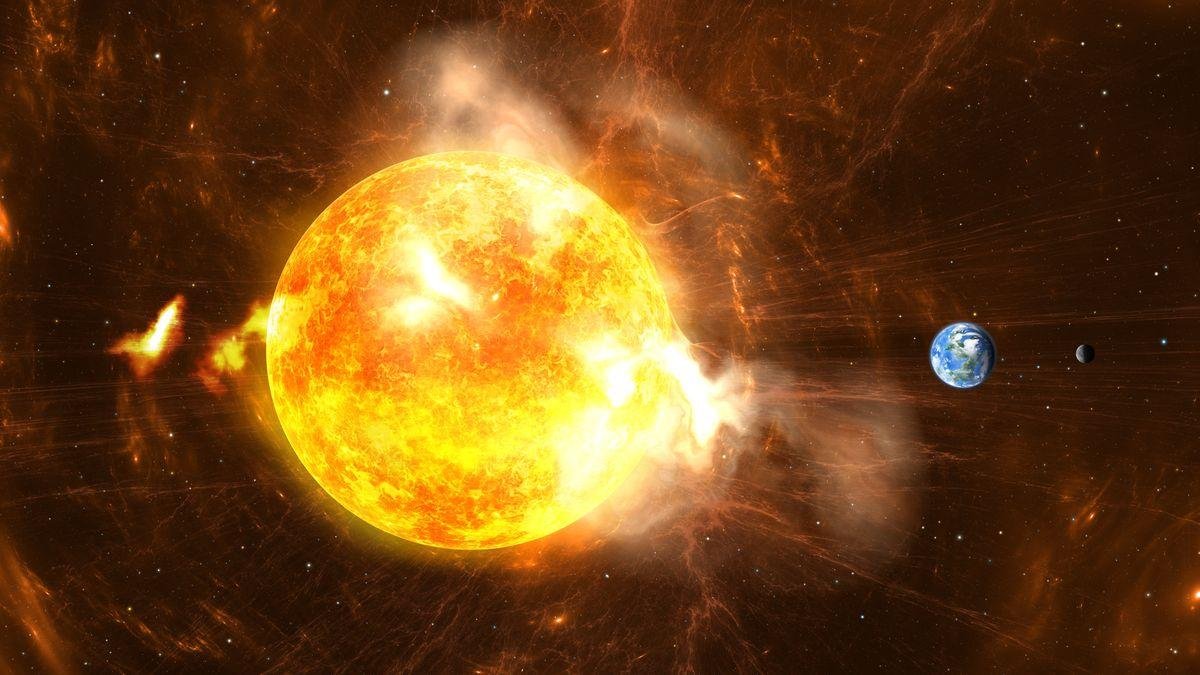
Enhancing Space Weather Forecasting Capabilities through Strategic Investment
With the recent award of a $60 million contract from NASA to bolster NOAA’s Space Weather Program, we are on the precipice of a transformative era in space weather forecasting. This initiative aims to enhance the capabilities to predict solar phenomena that can significantly affect not only our technological infrastructure but also the safety of both astronauts in space and individuals on Earth. The investment will support the development of advanced models that leverage cutting-edge algorithms and data analytics, thus paving the way for real-time monitoring and forecasting of solar activities.
Through this funding, NOAA is set to expand its fleet of satellites and ground-based observatories dedicated to space weather observation. This enhancement will focus on several key components:
- Improved Data Collection: Upgraded sensors and instruments to gather more accurate solar data.
- Advanced Forecast Models: Integration of machine learning techniques for predictive analytics.
- Community Collaboration: Establishment of stronger partnerships with global meteorological organizations.
- Public Awareness Programs: Initiatives aimed at educating the public about the impacts of space weather.
To provide further insight into the current landscape of space weather forecasting, consider the following table outlining the main challenges and strategic solutions:
| Challenges | Strategic Solutions |
|---|---|
| Limited Predictive Accuracy | Invest in cutting-edge modeling and simulation technologies. |
| Data Accessibility Issues | Develop open-access platforms for sharing data among researchers. |
| Need for Timely Alerts | Implement automated alert systems with user-friendly interfaces. |
Understanding the Implications of NOAA’s Space Weather Program on National Security
The recent $60 million contract awarded by NASA for NOAA’s Space Weather Program underscores the increasingly important role that space weather monitoring plays in safeguarding national security. As solar activity can significantly affect satellite operations, power grids, and communication systems, the implications of NOAA’s research extend far beyond scientific curiosity. By investing in advanced predictive models and enhanced observational capabilities, NOAA is expected to provide critical data that can inform national security strategies and preparedness measures. With rising concerns over space weather’s impact on infrastructure, it is essential that the government integrates these insights into comprehensive risk assessments and emergency response plans.
Moreover, understanding the risks associated with space weather can lead to more resilient systems and improved interagency coordination. The multidisciplinary approach involved in NOAA’s program—collaborating with entities like the Department of Defense and energy sector stakeholders—enables a holistic view of vulnerabilities and threats. Key areas of focus include:
- Satellite Resilience: Enhancing the durability of satellites against solar flares and geomagnetic storms.
- Power Grid Protection: Developing protocols to protect electrical grids from potential disruptions.
- Emergency Communications: Strengthening communication channels that may be affected by adverse space weather conditions.
the collaboration between NASA and NOAA is more than just a funding initiative; it represents a fundamental shift in how the United States perceives and prepares for the potential impacts of space weather on national security. As research advances, ongoing analyses and preparedness will be essential for mitigating risks and ensuring the safety and functionality of critical infrastructures in the face of unpredictable cosmic events.
Collaboration Opportunities between NASA and NOAA for Future Innovations
The partnership between NASA and NOAA opens up a realm of possibilities that could significantly advance our understanding of space weather and its impacts on Earth. By harnessing NASA’s cutting-edge technology and NOAA’s expertise in atmospheric science, both organizations are positioned to develop innovative models and tools that can enhance forecasting capabilities. Potential collaboration avenues include:
- Data Sharing: Leveraging satellite data to improve predictive models.
- Joint Research Initiatives: Exploring the effects of solar activity on terrestrial systems.
- Technological Integrations: Developing hybrid systems for real-time monitoring.
With the recent $60 million contract awarded to NOAA’s Space Weather Program, specific projects could emerge to transform how space weather predictions are communicated. Collaborative workshops could facilitate idea exchanges and quick prototype development. The potential projects might include:
| Project Name | Focus Area | Expected Outcome |
|---|---|---|
| Solar Storm Analytics | Data Analysis | Enhanced prediction accuracy |
| Real-Time Alert Systems | Public Safety | Improved communication during solar events |
| Integrated Satellite Networks | Technology | Comprehensive space weather monitoring |

Recommendations for Maximizing the Impact of the New Contract on Research and Technology Development
To leverage the $60 million contract effectively, NOAA should prioritize collaboration across multiple disciplines and sectors. By engaging with universities, private industry, and international partners, NOAA can pool resources and expertise, fostering a more innovative atmosphere for space weather research. This strategy will not only advance scientific discovery but will also enhance the application of findings to real-world challenges faced by multiple stakeholders. Key collaboration strategies may include:
- Establishing interdisciplinary research teams.
- Hosting regular workshops and seminars.
- Creating partnership opportunities with tech startups.
Moreover, adopting agile project management methodologies will ensure that the program remains responsive to new findings and technological advancements. By focusing on iterative development cycles, NOAA can adapt its approaches in real-time, maximizing the return on investment from this significant funding. To enhance efficiency and transparency, NOAA might implement:
| Action Item | Expected Outcome |
|---|---|
| Regular status updates with stakeholders | Improved accountability and project alignment |
| Feedback sessions with research teams | Innovative solutions and new ideas |
| Integration of emerging technologies | Enhanced predictive capabilities in space weather |
Q&A
Q&A: NASA Awards $60 Million Contract for NOAA’s Space Weather Program
Q1: What is the main focus of the $60 million contract awarded by NASA?
A1: The primary focus of this contract is to enhance NOAA’s Space Weather Program, which is critical for monitoring and forecasting space weather events that can impact Earth and space operations. The funding aims to support the development of advanced technologies and systems that can better predict solar storms and their effects on our planet.
Q2: Why is space weather monitoring important?
A2: Space weather monitoring is essential because solar storms can interfere with satellite operations, disrupt communication systems, pose risks to astronauts in space, and even cause power grid failures on Earth. Effective monitoring helps mitigate these risks by providing crucial data and forecasts that allow entities to prepare and respond appropriately.
Q3: What specific advancements are expected from this award?
A3: The contract is expected to foster advancements in space weather modeling, improve data collection capabilities, and refine forecasting techniques. By enhancing NOAA’s existing frameworks, the contract aims to make space weather predictions more accurate and timely, ultimately leading to better preparedness for potential space weather impacts.
Q4: How does this contract fit into NASA’s broader goals?
A4: This contract aligns with NASA’s broader goals of promoting safe and sustainable space exploration and ensuring the protection of both space and terrestrial systems from environmental hazards. By investing in NOAA’s Space Weather Program, NASA is reinforcing the importance of collaboration between agencies to enhance knowledge and operational readiness in the face of space weather challenges.
Q5: Who will manage the contract and ensure its implementation?
A5: The contract will be managed by NOAA in collaboration with NASA, leveraging the expertise and resources of both agencies. This joint effort enables the integration of both organizations’ strengths to effectively advance the objectives of the Space Weather Program.
Q6: How will the outcomes of this contract benefit society?
A6: The outcomes of this contract will benefit society by improving the safety and reliability of satellite communications and navigation systems, safeguarding technologies that we increasingly rely on daily. Moreover, enhanced space weather forecasting can protect critical infrastructure, reduce economic impact from solar events, and ultimately contribute to public safety.
Q7: What are the anticipated timelines for the project rollout and impact assessments?
A7: While specific timelines can vary based on project phases, initial efforts are projected to begin shortly after the contract award. Regular updates and assessments will gauge progress, with significant impact evaluations likely occurring over the next several years as new capabilities are integrated into NOAA’s operations.
Q8: What does this contract mean for future collaborations in space science?
A8: This contract underscores the importance of interagency cooperation in space science, fostering a model for future partnerships that can tackle complex challenges. It highlights the commitment of both NASA and NOAA to leveraging shared resources and expertise, paving the way for innovative solutions in space research and operational safety.
The Conclusion
As we look to the skies and beyond, the recent awarding of a $60 million contract to support NOAA’s Space Weather Program by NASA marks a significant step forward in our understanding of the cosmos. This collaboration underscores the importance of preparedness in the face of solar storms that affect not only satellite operations but also power grids and communication systems here on Earth. By investing in advanced monitoring and forecasting capabilities, we can better shield our technologies and infrastructure from the unpredictable forces of space weather. As the partnership unfolds, we can anticipate a future where knowledge and innovation work hand in hand, enabling us to navigate the challenges posed by our solar environment with confidence and resilience. Moreover, this endeavor highlights the ongoing commitment of both NASA and NOAA to safeguard our planet and enhance our scientific endeavors in the ever-evolving realm of space exploration. Stay tuned as we continue to observe the developments of this crucial program, reminding us that the cosmos is not just an expanse of stars, but a dynamic frontier that influences our everyday lives.