
In the vast celestial theatre of our universe, where the boundaries of the familiar dissolve into the extraordinary, NASA’s Hubble Space Telescope unveils a captivating spectacle that stirs the imagination. Today’s featured image, aptly titled “Rosy Tendrils of Andromeda,” transports us to the majestic Andromeda Galaxy, our closest galactic neighbor. With its intricate dance of light and color, Hubble captures the ethereal beauty of cosmic dust and gas, revealing the delicate tendrils that weave through the galaxy’s sprawling arms. In this article, we’ll explore the scientific significance of this breathtaking photograph, the technology behind Hubble’s unmatched clarity, and the mysteries that continue to beckon from the depths of space. Join us as we delve into the artistry of the cosmos, one pixel at a time.
Exploring the Striking Details of Andromedas Rosy Tendrils
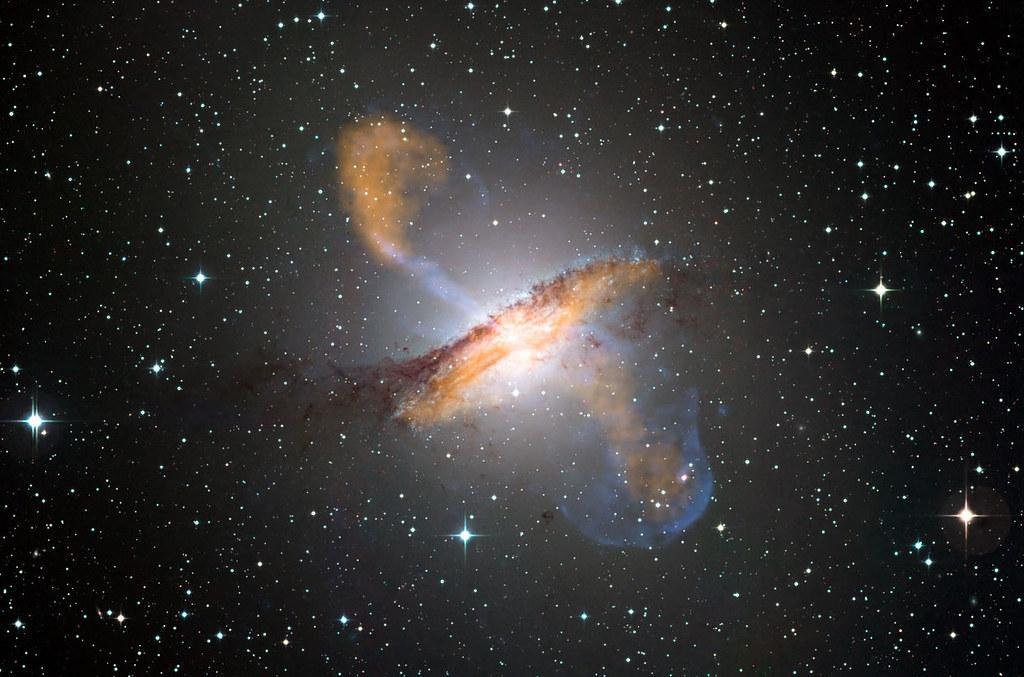
NASA’s Hubble Space Telescope recently captured a breathtaking view of the Andromeda Galaxy, revealing the galaxy’s rosy tendrils, which are a mesmerizing display of interstellar gases and star formations. This enchanting image showcases the intricate web of dust and gas swirling within Andromeda, emphasizing the galaxy’s dynamic ecosystem. These tendrils are not merely decorative; they serve as the birthplace for new stars, where gravity coaxes matter together until it ignites into brilliant nuclear fusion. The brilliant hues of pink and red found in these tendrils depict regions abundant in hydrogen, the fuel for star birth.
In this cosmic dance, several features stand out, including:
- Star Clusters: Compact groups of stars that shine brightly at the heart of these gas tendrils.
- Dark Dust Lanes: Regions that obscure light, creating fascinating contrasts with the glowing gas.
- Supernova Remnants: Eerie wisps from exploded stars, enriching the interstellar medium with essential elements.
So intricate and vivid, these rosy tendrils not only enhance Andromeda’s beauty but also provide vital insights into the process of star formation. To further illustrate this cosmic wonder, let’s look at some fascinating data:
| Feature | Description |
|---|---|
| Estimated Age | Over 10 billion years |
| Size | 220,000 light-years in diameter |
| Star Count | Over 1 trillion stars |
Unraveling the Mysteries Behind Hubbles Recent Discoveries
The latest images released by NASA’s Hubble Space Telescope present a breathtaking view of the Andromeda galaxy, showcasing its stunning rosy tendrils that weave throughout its spiral arms. This vibrant display provides astronomers with critical insights into the galaxy’s structure and formation, inviting observers to consider the cosmic ballet of stars and gas that fuels such mesmerizing sights. With each colorful filament captured, the data collected reveals the interstellar medium’s complexities, allowing scientists to explore the ongoing processes that govern star formation.
Among the key findings from the telescope’s recent observations are:
- New Star Clusters: The images indicate the emergence of several new star clusters within the intricate structures of Andromeda.
- Intergalactic Gas Dynamics: Researchers have gained valuable knowledge about how gas moves and interacts within the galaxy.
- Galaxy Evolution: The discoveries shed light on the life cycle of galaxies and their gradual evolution over billions of years.
By diving deeper into Andromeda’s captivating features, Hubble continues to unravel cosmic mysteries that not only enhance our understanding of our galactic neighbor but also paint a broader picture of the universe’s vast history.
The Importance of Hubbles Work in Modern Astronomy
The groundbreaking work of the Hubble Space Telescope has fundamentally reshaped our understanding of the universe, providing insights that were once considered unattainable. Through its powerful lenses, Hubble has captured breathtaking images and collected invaluable data that have allowed astronomers to delve deeper into cosmic phenomena. Key contributions include:
- Discovery of Dark Energy: Hubble’s observations revealed that the universe is not only expanding, but that this expansion is accelerating, leading to the concept of dark energy.
- Age of the Universe: By measuring the distances to various celestial objects, Hubble has helped refine estimates of the universe’s age to approximately 13.8 billion years.
- Stellar Evolution: Its detailed images of distant galaxies provide a clearer understanding of how stars form, evolve, and ultimately perish.
Moreover, Hubble has acted as a remarkable time capsule, allowing scientists to witness the birth and death of stellar systems across different epochs. The telescope’s unprecedented clarity has unveiled the intricate structures within galaxies like the Andromeda, showcasing details such as its rosy tendrils and interactions with neighboring celestial entities. Its legacy includes:
| Feature | Description |
|---|---|
| First Image | Captured in 1990, showing the planet Jupiter in stunning detail. |
| Galactic Interaction | Studied the merging of galaxies, fostering understanding of cosmic evolution. |
| Exoplanets | Contributed to the discovery of thousands of exoplanets beyond our solar system. |
How to Engage with NASA’s Latest Hubble Insights
Engaging with NASA’s latest discoveries, particularly the mesmerizing insights captured by the Hubble Telescope, can be both enlightening and exciting. To unlock the full experience of exploring the rosy tendrils of Andromeda, consider the following pathways:
- Follow NASA’s Social Media: Stay updated by following NASA’s official accounts on platforms like Twitter, Instagram, and Facebook where they share stunning visuals and informative captions about Hubble’s latest findings.
- Participate in Webinars: Join NASA-hosted webinars and Q&A sessions that delve deeper into the discoveries, allowing for direct interaction with astronomers and scientists.
- Utilize Online Resources: Explore the multitude of articles, videos, and interactive tools provided by NASA to better understand the scientific significance behind these breathtaking images.
For content creators and enthusiasts, sharing your thoughts and impressions about these discoveries can foster a community around shared interests. Establish a discussion group where members can exchange information and interpretations of Hubble’s imagery. Additionally, consider organizing local star-gazing nights or online gatherings focused on space exploration. Here’s a brief overview of ways to share this enchantment:
| Activity | Description |
|---|---|
| Social Media Share | Post a captivating image from Hubble and tag NASA. |
| Host a Space Night | Gather friends to watch documentaries or discuss recent findings. |
| Blog/Vlog About Hubble | Create content interpreting the wonders of the universe. |
Q&A
Q&A: NASA’s Hubble Telescope Zooms into Rosy Tendrils of Andromeda
Q1: What is the significance of the latest photo taken by NASA’s Hubble Space Telescope?
A1: The latest photo captures the intricate and vibrant structures of the Andromeda Galaxy, specifically highlighting its “rosy tendrils” – vast clouds of interstellar dust and gas. This image not only showcases the stunning beauty of our galactic neighbor but also provides insights into stellar formation processes, revealing how new stars are born within these complex environments.
Q2: How does Hubble’s technology contribute to capturing such detailed images?
A2: Hubble employs advanced imaging technology, including high-resolution cameras and spectrographs, that allow it to detect faint light across various wavelengths. This capability enables the telescope to reveal details that would be invisible to ground-based observatories, providing astronomers with valuable data about the composition and dynamics of galaxies like Andromeda.
Q3: What specific features are highlighted in the image of Andromeda?
A3: In this recent image, the focus is on the swirling clouds of dust and gas that make up the galaxy’s spiral arms. The “rosy tendrils” are primarily composed of hydrogen, the fuel for star formation, and are illuminated by the light of surrounding young stars. This delicate interplay of light and dark within the image illustrates the ongoing cycle of star birth and death that characterizes galactic evolution.
Q4: Why is Andromeda an important subject of study for astronomers?
A4: Andromeda, our closest spiral galaxy, is a treasure trove for astronomers. Studying it allows scientists to gain a better understanding of galaxy formation and evolution, providing a comparative framework for examining our own Milky Way. Furthermore, Andromeda’s eventual collision with our galaxy in several billion years poses intriguing questions about the future of cosmic structures and stellar dynamics.
Q5: How often does Hubble release such extraordinary images, and what do they mean for the general public?
A5: Hubble frequently releases stunning images, often accompanied by scientific findings. These images generate public interest in space science and stimulate curiosity about the universe. They serve as a bridge between complex astronomical concepts and the broader public, making science accessible and captivating while fostering appreciation for the beauty and mysteries of the cosmos.
Q6: What can the public do to engage with Hubble’s findings?
A6: The public can explore Hubble’s findings through NASA’s official website, social media channels, and educational outreach programs. Many resources, including interactive images and educational materials, are available that allow individuals to learn more about space and encourage engagement in STEM subjects. Public events, lectures, and exhibitions often highlight Hubble’s discoveries, further promoting interest in astronomy.
In Conclusion
As we conclude our journey through the mesmerizing image captured by NASA’s Hubble Telescope, we are reminded of the intricate beauty and vastness of our universe. The “rosy tendrils” of the Andromeda Galaxy not only illustrate the stunning artistry of cosmic phenomena but also underscore the profound mysteries that continue to inspire astronomers and enthusiasts alike. Each snapshot taken by Hubble is a testament to human curiosity and technological ingenuity, bridging the gap between scientific exploration and our innate desire to understand the cosmos. As we gaze into the depths of Andromeda, we are invited to reflect on our place within this grand tapestry and the endless possibilities that lie beyond. Let this breathtaking photo serve as both a reminder and an inspiration for future explorations, igniting a passion for discovery in generations to come.