
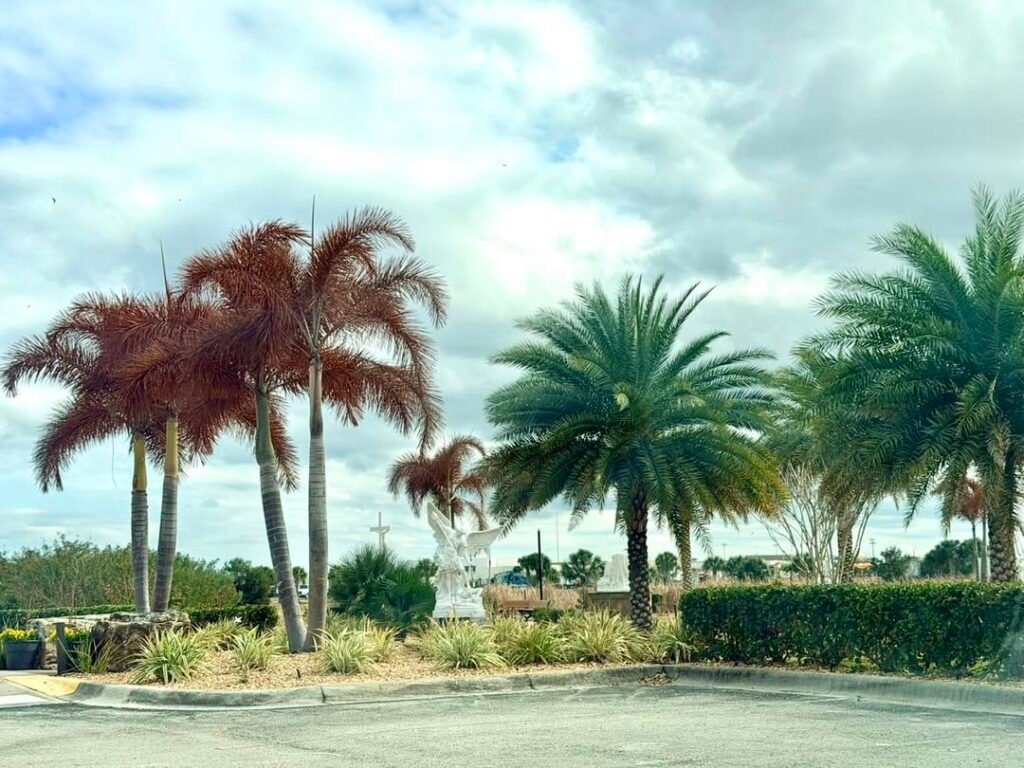
Melbourne’s Winter Wipeout: How Recent Cold Snap Devastated Local Gardens
Last week hit us hard in Brevard County. I woke up one morning to a garden that looked like it had seen a ghost – plants drooping, leaves crisped, and some of my favorite trees looking decidedly… dead. And I know I’m not alone.
The unexpected cold snap that swept through Melbourne and surrounding areas left many of us surveying damage and wondering what can be saved and what needs to be replaced.
The Aftermath: What Got Hit Hardest
Walking around my neighborhood in Melbourne, the damage is evident. Tropical plants took the biggest hit – those beautiful palms we all love weren’t designed for these temperature dips. I’ve noticed particularly severe damage to:
- Hibiscus plants (mine look like crispy brown paper now)
- Young citrus trees
- Bougainvillea
- Banana trees
- Many vegetable gardens (goodbye, tomato plants!)
Insert image of frost-damaged palm fronds here
Is It Really Dead? How to Tell
Before you grab the shovel and start digging, let’s figure out if your plants are actually gone or just playing possum. Here’s what I’m doing with my damaged plants:
- The scratch test: Using your fingernail or a small knife, gently scratch a small area on the stem or branch. If you see green underneath, there’s hope!
- Wait it out: Many plants that look completely dead now might surprise you in spring. Some woody perennials will lose all their leaves but regenerate from the roots.
- Check the crown: For palms and similar plants, the growing point at the top (called the crown) is crucial. If it feels firm and healthy, the plant might recover.
Recovery Plan for Brevard Gardens
If you’re like me and nursing a wounded garden, here’s what local gardening experts recommend:
| What to Do Now | What to Avoid |
|---|---|
| Wait to prune until danger of frost passes (usually late February) | Don’t immediately cut back damaged growth |
| Water moderately (soil may still be moist) | Avoid fertilizing until new growth appears |
| Apply light mulch around roots for protection | Don’t replant with cold-sensitive species yet |
What Melbourne Neighbors Are Saying
I reached out to some local gardeners to see how they’re coping. Maria from Satellite Beach told me, “My 15-year-old Key lime tree looks completely brown now. I’m heartbroken but waiting until March before making any decisions.”
Meanwhile, Dave in West Melbourne reports, “My native plants barely noticed the cold. Maybe it’s time we all rethink what we’re planting in Florida yards.”
That’s actually a great point. This might be the perfect opportunity to consider more cold-tolerant Florida-friendly landscaping options that can handle our occasional winter surprises.
Looking Ahead: Preparing for Next Time
Let’s be real – this won’t be the last cold snap we face in Brevard County. When rebuilding or nursing your garden back to health, consider:
- Investing in frost cloth (not plastic) for future protection
- Planting cold-sensitive specimens near the house or in sheltered locations
- Grouping plants with similar cold tolerance together for easier protection
- Adding more native Florida plants that can handle temperature swings
I’d love to hear your frost survival stories! What plants made it through the cold? What are you planning to replace? Drop a comment below or share a photo of your garden’s recovery journey.
And if you need hands-on help assessing your landscape damage, our local UF/IFAS Extension Office offers excellent resources and advice for Brevard County gardeners.
Stay warm, Melbourne friends – spring is coming!
Source link: Original source