
“`html
Safety Alert for Space Coast Residents with Loved Ones in Mexico
Look, I’m going to be straight with you. If you’ve got family south of the border right now, I get it—you’re probably checking your phone a lot more than usual. And honestly? That’s completely reasonable.
Here in Melbourne and across Brevard County, we’ve got a pretty sizable community with ties to Mexico. Whether it’s snowbirds who split their time, folks visiting family, or business travelers, plenty of our neighbors find themselves in Mexico throughout the year. So when safety concerns pop up, it hits close to home.
The good news is that you’re not alone in this, and there are actual resources—real people you can call, real information you can access—to help keep your loved ones safe.
Why This Matters to Our Brevard Community
I’ve lived here long enough to know that Melbourne isn’t just palm trees and rocket launches. We’re a community of transplants, travelers, and people with connections all over the world. Your neighbor might have a daughter teaching English in Playa del Carmen. Your coworker’s parents might be retired in San Miguel de Allende. Your friend from church could be visiting relatives in Guadalajara right now.
When things get dicey internationally, it ripples through our community. I’ve seen it at coffee shops along downtown Melbourne, at the beach, at Publixes from Viera to West Melbourne—people talking, worrying, trying to figure out what’s real and what’s just noise on social media.
The Essential Numbers You Need Right Now
Here’s what you actually need to know:
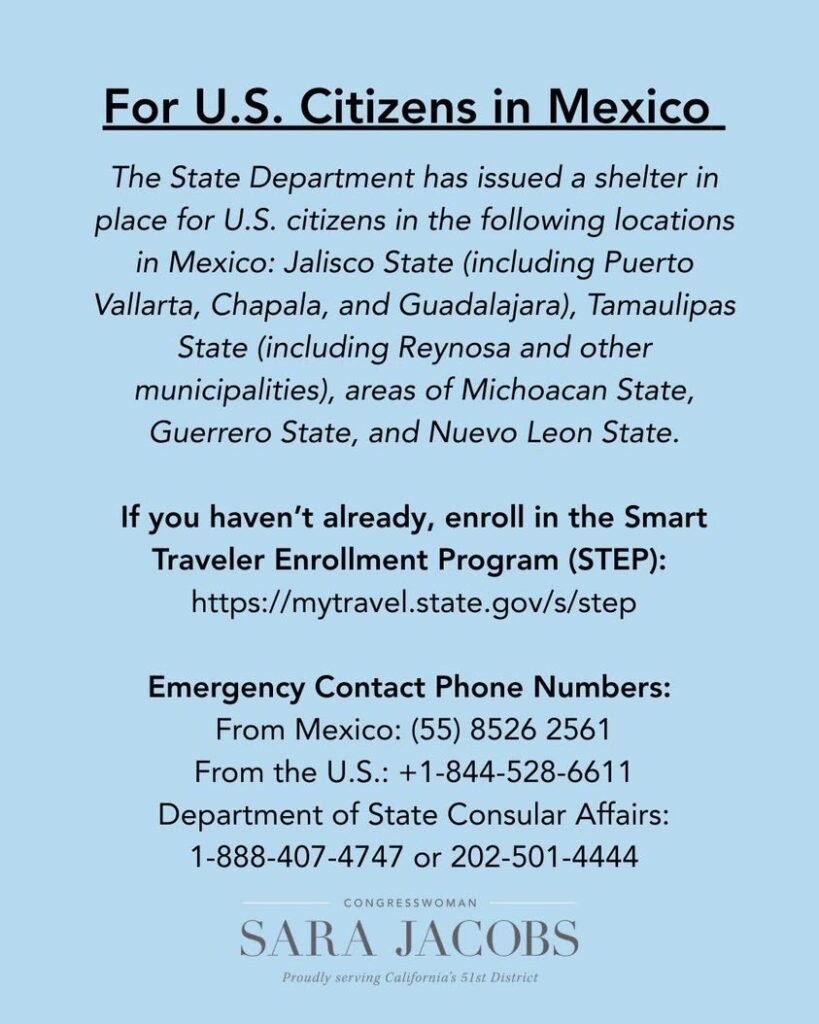
The U.S. Embassy and consulates in Mexico maintain 24/7 emergency lines specifically for American citizens. These aren’t automated systems or chat bots—these are actual services designed to help when things go sideways.
Key Resources for U.S. Citizens in Mexico:
- U.S. Embassy in Mexico City: +52-55-8526-2561 (available 24/7 for emergencies)
- From the U.S.: 1-844-528-6611 (toll-free emergency line)
- Smart Traveler Enrollment Program (STEP): Register at step.state.gov to receive alerts and make it easier to locate you in an emergency
- Travel.State.Gov: Real-time travel advisories and safety information
Write these down. Put them in your phone. Text them to anyone you know who’s traveling. I’m serious—this isn’t the kind of information you want to be scrambling for when you’re stressed out.
What These Resources Actually Do
You might be wondering what happens when you actually call these numbers. Fair question. I wondered the same thing.
The consular services can help with everything from lost passports to emergency evacuations. They provide updates on local situations, help you find medical care, connect you with local authorities, and yes—they can help get Americans out of dangerous situations when necessary.
The STEP program? Think of it like a check-in system. You tell the government where you are, and they can send you alerts about everything from hurricanes to civil unrest. Plus, if something major happens, they know you’re there and can reach out.
Staying Informed Without Losing Your Mind
Here’s the thing about safety information—it’s a balance. You want to stay informed without spiraling into anxiety every time your cousin posts a sunset photo from Cancun.
| Reliable Sources | Why They’re Trustworthy |
|---|---|
| Travel.State.Gov | Official U.S. government travel advisories, updated regularly |
| U.S. Embassy Mexico website | Location-specific alerts and safety messages |
| STEP alerts | Personalized notifications based on your registered location |
| Consular Affairs social media | Quick updates during developing situations |
Pro tip: Avoid getting all your information from Facebook groups or Twitter threads. I know it’s tempting, but official sources are updated faster and way more accurate.
What to Tell Your Loved Ones Before They Go
If someone you care about is heading to Mexico—or is already there—here’s your pre-flight checklist conversation:
Make sure they:
- Register with STEP (takes like five minutes, could save their life)
- Have copies of their passport stored separately from the original
- Know where the nearest U.S. consulate is located
- Have the emergency numbers saved in their phone
- Share their itinerary with someone back home
- Keep you updated regularly (even just a quick text)
Yeah, it might feel a bit paranoid. But you know what’s more paranoid? Worrying constantly because you didn’t do these basic things.
The Melbourne Connection
Living here on the Space Coast, we’re used to watching rockets launch into the unknown. We understand calculated risk. We know that amazing experiences often require venturing beyond our comfort zone. Mexico is an incredible country with rich culture, beautiful landscapes, and warm people—millions of Americans travel there safely every year.
But smart travelers prepare. They stay informed. They know their resources.
I’ve talked to folks at the Melbourne Beach Pier who spent winters in Mexico for decades without incident. I’ve chatted with students at Florida Tech who studied abroad in Mexican universities and came back with life-changing experiences. The key? They went prepared, stayed aware, and knew who to call if things got weird.
Don’t Forget About Travel Insurance
Quick sidebar—and I’m not trying to sell you anything here—but travel insurance is ridiculously cheap compared to what it covers. Medical evacuation alone can cost tens of thousands of dollars. A decent travel insurance policy? Maybe 50 bucks for a week-long trip.
Just something to consider. Especially if you’re traveling with elderly parents or have any health conditions.
Stay Connected, Stay Safe
Look, the world feels uncertain sometimes. Sitting here in Melbourne, watching the news, it’s easy to worry about people we love who are far away. But knowledge is power, and you now have the tools to help keep your friends and family safe.
Save those numbers. Register for STEP. Check the travel advisories. And most importantly, stay in touch with the people you care about.
Mexico isn’t going anywhere, and neither is the support system designed to help Americans who travel there. Use it. Share it. And breathe a little easier knowing you’re prepared.
Have you traveled to Mexico recently? Know someone who’s there now? Share this information with them. It takes thirty seconds and could make all the difference.
Stay safe out there, Brevard. And if you hear something, say something. We’re all neighbors here.
“`