
“`html
What’s Really Going On? Another U.S. Aircraft Down Over Iraq
Look, I’ll be straight with you. When I woke up this morning and saw the news about another U.S. aircraft going down in the Middle East, my first thought wasn’t about military strategy or geopolitical chess moves. It was simpler than that: What does this mean for families right here in Melbourne, Florida?
Because let’s face it—we’ve got Patrick Space Force Base practically in our backyard. We see military aircraft overhead all the time. Our neighbors work on these missions. This isn’t some distant conflict that doesn’t touch us. It’s personal.
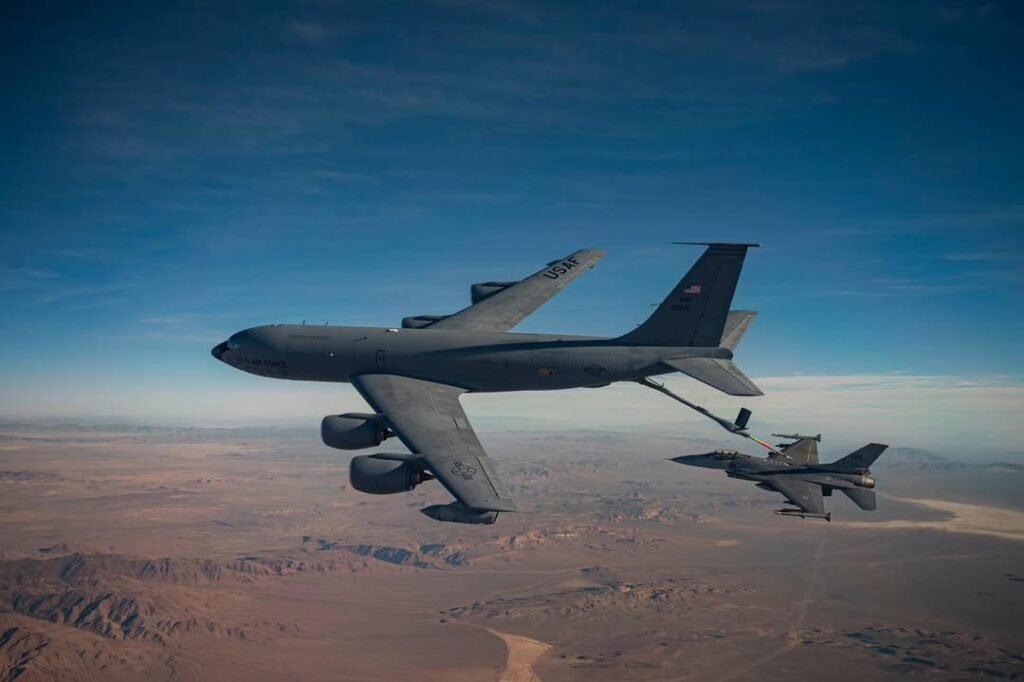
U.S. Central Command just confirmed the loss of a KC-135 aerial refueling aircraft over western Iraq. And here’s the part that should make your stomach drop: it happened in what they’re calling “friendly airspace” during something called Operation Epic Fury.
The Details We Know (And What They’re Not Telling Us)
The official CENTCOM press release is doing that thing the military does—giving us just enough information to confirm something bad happened, but leaving out all the details that actually matter. Here’s what we know:
- Aircraft type: KC-135 aerial refueling tanker (these are the planes that keep our fighters in the air)
- Location: Western Iraq
- Circumstances: “Friendly incident” during Operation Epic Fury
- Number of aircraft involved: Two
- Casualties: Not disclosed yet (and that silence is deafening)
Now, I’ve been following military news for years, and when they use the phrase “friendly incident,” it usually means one of two things: either we accidentally shot down our own plane, or there was some kind of collision. Neither option is good.
Why Should Brevard County Residents Care?
You might be wondering why this matters to you specifically. Fair question. Here’s why:
First, we’ve got a massive military presence here. Patrick Space Force Base, Cape Canaveral Space Force Station—these installations are intimately connected to operations happening halfway around the world. The people flying these missions? They might live three blocks from you.
Second, this is the second “friendly fire” incident in recent weeks. Remember the Navy pilots who ejected over the Red Sea in December? That was also ruled a friendly fire incident. When patterns emerge, it’s time to pay attention.
Third, these KC-135s aren’t new aircraft. Many of them are older than the pilots flying them. We’re talking aircraft that first took flight in the 1950s and 60s. And yes, they’ve been upgraded and maintained, but still—there’s only so much you can do with aging equipment.
What’s Operation Epic Fury?
Here’s where things get interesting. Operation Epic Fury isn’t something you’ve probably heard much about in the news. It’s part of the ongoing operations against ISIS remnants in Iraq and Syria. The operation involves:
| Mission Component | Description |
|---|---|
| Aerial Refueling | Keeping combat aircraft airborne for extended missions |
| Strike Operations | Targeting ISIS positions and infrastructure |
| Intelligence Gathering | Surveillance and reconnaissance missions |
| Coalition Support | Assisting Iraqi and allied forces |
What makes this particularly concerning is that aerial refueling missions are supposed to be among the safer operations. These planes fly in controlled airspace, away from combat zones, doing what’s essentially an aerial gas station routine. If we’re losing aircraft during these missions, something’s seriously wrong.
The Human Cost Nobody’s Talking About
I want you to think about something for a minute. A KC-135 typically has a crew of three to four people—pilot, co-pilot, boom operator, and sometimes a navigator. These aren’t just statistics. They’re people.
They probably kissed their kids goodbye before deploying. Maybe they grabbed coffee at the same Starbucks you do. Perhaps they were planning to catch a Brevard County Manatees game when they got back home.
And right now, families somewhere—possibly right here in Brevard County—are getting the knock on the door that changes everything.
Questions That Need Answers
Here’s what I’m wondering, and what you should be asking too:
1. What exactly caused this incident? Was it mechanical failure? Human error? A communication breakdown? The military’s silence is telling.
2. Why are we seeing multiple “friendly fire” incidents? This isn’t normal. Something’s broken in the system—whether it’s equipment, training, or communication protocols.
3. What’s being done to prevent the next one? I haven’t heard anyone address this yet, and that’s terrifying.
4. Are our troops getting the support they need? When aging aircraft keep having problems, when friendly fire incidents increase, you have to wonder if we’re asking our military to do too much with too little.
What This Means for Military Families in Our Community
If you’ve got family or friends deployed, or if you work in the defense sector here in Brevard County, this hits different. You know the risks aren’t just theoretical. They’re real, immediate, and apparently increasing.
The anxiety that comes with every deployment just got worse. Because now it’s not just about enemy threats—it’s about whether our own systems are reliable enough to keep our people safe.
Resources for Military Families
If this news has you worried about a loved one deployed overseas, here are some local resources:
- Patrick Space Force Base Family Support: Available 24/7 for immediate concerns
- Military Family Readiness Center: Located on base, offering counseling and support services
- Brevard Veterans Memorial Center: Community support for military families
- Local VFW and American Legion posts: Peer support from those who understand
The Bigger Picture We Can’t Ignore
Look, I’m not trying to be alarmist here. But I am trying to be real with you. When military aircraft start dropping out of the sky in “friendly” circumstances, it points to systemic problems that go way beyond a single incident.
Maybe it’s budget constraints leading to maintenance issues. Maybe it’s operational tempo that’s pushing crews and equipment beyond safe limits. Maybe it’s communication systems that aren’t keeping up with the complexity of modern warfare.
Whatever it is, it needs to be fixed. Yesterday.
What You Can Do
I know what you’re thinking: “What can I possibly do about military operations in Iraq?” Actually, more than you might think.
Contact your representatives. Rep. Bill Posey and Senators Rick Scott and Marco Rubio need to hear from constituents about military safety concerns. They serve on committees that oversee these operations.
Support military families in our community. Whether it’s through local organizations or just being there for a neighbor whose spouse is deployed, community support matters.
Stay informed. Don’t let this story disappear into the 24-hour news cycle. Keep asking questions. Demand transparency.
Share your story. If you’re a veteran or active duty service member who’s experienced similar issues, your voice matters. Talk to