
“`html
When Danger Comes Knocking: Deputy Rivera’s Close Call and What It Means for Brevard County
Look, I’m not going to sugarcoat this. Monday, March 2nd wasn’t just another day in Brevard County. It was the kind of day that reminds us the men and women wearing badges aren’t just punching a clock—they’re walking into situations most of us would run from.
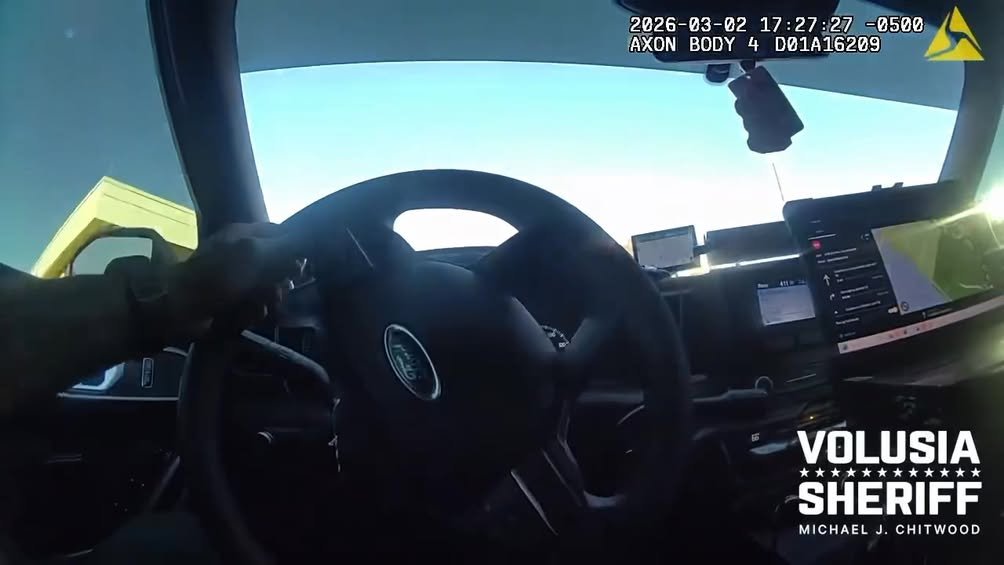
Body-worn camera footage released by the Volusia Sheriff’s Office shows exactly what I’m talking about. Deputy Rivera, doing what deputies do, found himself staring down the barrel of a gun. The footage is intense. It’s real. And it’s exactly why we need to talk about what happened.
What Actually Went Down
Here’s what we know: Deputy Rivera responded to a call on March 2, 2026. Things escalated fast. Too fast. Luis Diaz Polanco allegedly opened fire on the deputy, and what followed was captured frame-by-frame on Rivera’s body camera.
The good news? Deputy Rivera is stable. Let me say that again for the folks in the back: Deputy Rivera is going to be okay. That’s the headline we’re clinging to here in Melbourne and across Brevard County.
The suspect, Luis Diaz Polanco, is now sitting in a cell with no bond. He’s facing two counts of attempted murder of a law enforcement officer. Two counts. Think about that weight for a second.
Why Body-Worn Cameras Matter More Than Ever
You know what’s wild? We’re living in an era where we don’t have to rely solely on reports and witness statements anymore. Body cameras give us the unfiltered truth—the good, the bad, and the terrifying.
This footage does several things:
- Provides accountability for everyone involved
- Shows the split-second decisions deputies face
- Gives prosecutors rock-solid evidence
- Helps the community understand what really happened
I’ve watched enough of these videos to know they’re never easy viewing. But they’re important. They pull back the curtain on situations most of us will thankfully never experience firsthand.
The Brevard County Connection
Now, you might be wondering why a Volusia Sheriff’s Office incident matters to us here in Melbourne. Simple: we’re neighbors. What happens in Volusia ripples through Brevard. Our law enforcement agencies work together, train together, and face similar challenges.
Deputy Rivera could just as easily be one of our Brevard County deputies. The dangers don’t stop at county lines. Neither does our support.
Understanding the Charges: What “No Bond” Really Means
Let me break down what’s happening with Luis Diaz Polanco, because the legal stuff can get confusing fast.
| Charge | What It Means | Potential Consequences |
|---|---|---|
| Attempted Murder of LEO (Count 1) | Intentionally trying to kill a law enforcement officer while they’re performing their duties | Life imprisonment possible |
| Attempted Murder of LEO (Count 2) | Second charge, possibly related to multiple shots or endangering additional officers | Consecutive sentencing possible |
| No Bond Status | Judge determined he’s too dangerous to release before trial | Remains in custody until case resolution |
When a judge says “no bond,” they’re essentially saying this person poses such a threat to the community or is such a flight risk that money can’t fix it. That’s a big deal.
What This Incident Teaches Us About Officer Safety
Here’s something I think about: every single day, deputies walk up to cars, knock on doors, and respond to calls without knowing what’s waiting on the other side. It’s like playing Russian roulette with good intentions.
Deputy Rivera’s shooting isn’t an isolated incident. Across Florida and the nation, attacks on law enforcement officers have been climbing. It’s a trend that should concern all of us, regardless of how we feel about policing in general.
The Human Side of the Badge
Deputy Rivera isn’t just a badge number. He’s somebody’s son, maybe somebody’s husband or dad. He’s got friends who grab beers with him on weekends. He’s got a mortgage, probably worries about his car’s check engine light, and definitely didn’t wake up Monday morning expecting to get shot.
That’s the part we sometimes forget.
When I think about what his family went through—that phone call, that rush to the hospital, that waiting—it puts everything in perspective. These aren’t abstract concepts. These are real people bleeding on real streets in our community.
How Our Community Can Respond
So what do we do with this information? How do we, as Brevard County residents, process something like this?
First, we can show support. Whether that’s:
- Dropping off cards or care packages at your local sheriff’s office
- Participating in community events that bridge the gap between citizens and law enforcement
- Simply saying “thank you” when you see a deputy grabbing coffee
- Supporting legislation that provides better protection and resources for officers
Second, we can stay informed. Don’t just scroll past these stories. Understand what’s happening in your backyard. Know the risks our deputies face. Appreciate the complexity of their job.
The Bigger Picture for Melbourne and Brevard
This incident in Volusia is a mirror for what could happen anywhere. Melbourne isn’t immune. Palm Bay isn’t immune. Cocoa Beach, Titusville, Rockledge—none of us are.
We’ve got great law enforcement in Brevard County, but they’re facing the same pressures, the same dangers, the same split-second decisions that Deputy Rivera faced on March 2nd.
Moving Forward: Questions We Should Be Asking
Here’s where I get a little philosophical with you. This incident raises questions that don’t have easy answers:
- Are we doing enough to protect the people who protect us?
- What kind of training and equipment do our deputies need to come home safe?
- How do we balance accountability with support?
- What role does mental health intervention play in preventing these situations?
I don’t have all the answers. Nobody does. But asking the questions is the first step toward making our community safer for everyone—residents and deputies alike.
Deputy Rivera’s Recovery and What Comes Next
The latest reports confirm Deputy Rivera is stable, which is genuinely fantastic news. But “stable” doesn’t mean “fine.” Recovery from something like this isn’t just physical. The psychological toll of being shot at, of facing your own mortality, of knowing someone actively tried to end your life—that sticks with you.
Our thoughts need to stay with Rivera and his family not just this week, but in the months ahead as he works through whatever recovery looks like for him.
The Legal Road Ahead for Luis Diaz Polanco