
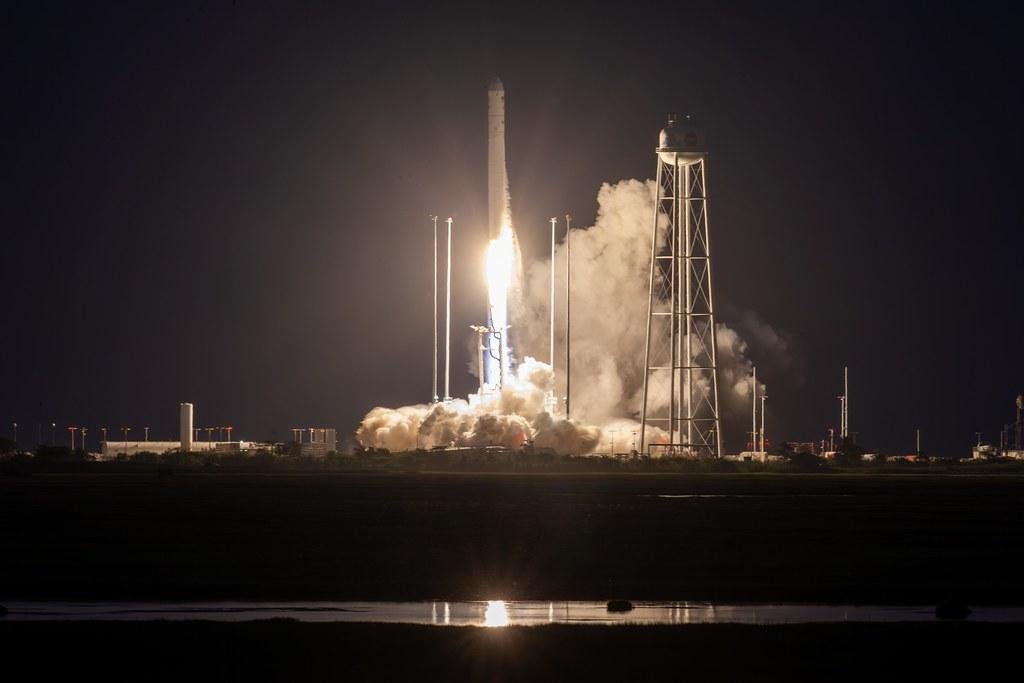
In the early hours of a clear Florida sky, the iconic silhouette of the Falcon 9 rocket stood poised at Cape Canaveral, ready to usher in another chapter of satellite innovation. As the countdown began, anticipation surged among space enthusiasts and tech aficionados alike, all eager to witness the launch of SpaceX’s latest mission to bolster its Starlink constellation. With each passing second, the countdown echoed the relentless pursuit of connectivity, as Sky and Earth converged in a dazzling display of engineering prowess. This latest mission not only highlights SpaceX’s commitment to expanding global internet access but also marks a significant step forward in the company’s ongoing efforts to revolutionize space travel and satellite deployment. Join us as we delve into the details of this spectacular launch and its implications for the future of communication in the digital age.
Exploring the Impact of Starlink: Revolutionizing Global Internet Access
As SpaceX launches its Falcon 9 rocket carrying the latest batch of Starlink satellites, the implications for global internet access are profound. This ambitious project aims to provide high-speed, low-latency broadband services, especially to underserved and remote areas around the world. With a constellation of thousands of satellites orbiting the Earth, the vision is to eliminate the digital divide, granting people in rural regions access to the same quality of internet service enjoyed by those in urban centers. Key benefits of the Starlink initiative include:
- Improved accessibility: Remote areas that have traditionally struggled with connectivity now have a viable option.
- Global coverage: The satellite network is designed to beam internet signals to every corner of the globe.
- Reduced latency: With satellites positioned in low Earth orbit, users can expect reduced lag time during online activities.
The advancement also raises discussions about its environmental impact and regulatory challenges. As the number of satellites continues to rise, so too does the concern over space debris and light pollution. To address this, SpaceX is implementing measures to ensure satellites are deorbited at the end of their life cycle. The potential for innovations lies in the balance of opportunities and responsibilities created by this rapidly expanding project. Here’s a brief comparison of traditional internet options versus Starlink’s offerings:
| Feature | Traditional Internet | Starlink |
|---|---|---|
| Installation | Requires physical infrastructure | Satellite dish installed at the location |
| Speed | Varies by location | Up to 150 Mbps |
| Latency | Higher, especially in rural areas | Approximately 20-40 ms |
Behind the Scenes: The Launch Process of Falcon 9 and Its Engineering Marvels
The launch of SpaceX’s Falcon 9 rocket is nothing short of a symphony of engineering and precision. Every launch involves a meticulously planned process that showcases the incredible technology and human ingenuity behind each mission. From the moment the decision is made to dispatch a payload, a diverse team spanning multiple disciplines springs into action to ensure success. Key elements contributing to the launch include:
- Rocket Assembly: Overseeing the integration of the rocket’s stages and payload.
- Pre-Launch Testing: Rigorous checks of systems, including avionics and propulsion.
- Weather Monitoring: Constant analysis of atmospheric conditions for safe launch.
- Countdown Procedures: Coordinating dozens of tasks to be executed in exact timeframes.
At Cape Canaveral, the launch pad is not just a platform; it’s a hub of innovation where engineering feats meet the realities of space flight. One particularly remarkable engineering aspect is the reusable first stage, designed to return to Earth and land precisely after boosting the payload into orbit. This revolutionary technology has transformed space travel by significantly reducing costs and increasing launch frequency. To illustrate the timeline of a typical Falcon 9 launch, the following table highlights critical phases:
| Phase | Timeframe |
|---|---|
| Preparation | Weeks before launch |
| Final Checks | 24 hours prior |
| Launch Window Opens | 0:00 – T-0 |
| First Stage Landing | Approximately 8 minutes post-launch |
Environmental Considerations: Balancing Innovation with Sustainability in Space Launches
As the excitement surrounding launches like SpaceX’s Falcon 9 grows, so too does the necessity of addressing the environmental implications of such activities. The trajectory of technological advancement must consider the ecological footprint associated with rocket launches, from fuel emissions to debris management. Balancing progress with ecological responsibility requires a multi-faceted approach that includes around:
- Green Propulsion Technology: Investing in more sustainable fuels that reduce toxic emissions.
- Space Debris Mitigation: Implementing strategies to minimize space junk and enhance tracking systems.
- Launch Site Management: Ensuring that facilities are designed to limit impact on local ecosystems.
- Regulatory Support: Advocating for policies that promote environmentally sound space exploration practices.
Moreover, companies are increasingly recognizing the importance of transparency and collaboration with environmental organizations. By sharing data and insights, the space industry can develop innovative solutions that support sustainability without stifling creativity and growth. Initiatives that highlight the reduction of greenhouse gas emissions during launch operations and enhance the lifecycle of spacecraft can significantly bolster the industry’s commitment to environmentally conscious practices. Addressing these challenges now will pave the way for a future where exploration does not come at the expense of our planet’s health.
| Innovation | Sustainability Impact |
|---|---|
| Reusable Rocket Systems | Significantly reduces waste and launch costs. |
| Electric Launch Vehicles | Minimizes reliance on fossil fuels. |
| Satellite Deorbiting Technology | Prevents long-term space debris accumulation. |
| Solar-Powered Systems | Potentially cut operational emissions drastically. |
Future Outlook: The Next Steps for SpaceX and the Starlink Constellation Expansion
As SpaceX continues to lead the charge in space innovation, the expansion of the Starlink constellation is poised to revolutionize global internet access. The ambitious plans to deploy thousands of satellites aim to bridge the digital divide, especially in underserved areas where traditional internet infrastructure is lacking. Future launches are expected to increase the constellation’s capacity, enhance service quality, and bring higher-speed internet to devices on the ground. Key elements to focus on include:
- Launch Frequency: Increasing the number of launches to deploy satellites at an accelerated pace.
- Technological Innovations: Developing more advanced satellites that can provide faster, more reliable service.
- Regulatory Approvals: Navigating international regulations to facilitate broader service reach and compliance.
In addition to expanding geographic coverage, SpaceX is also prioritizing user experience improvements. Strategies include refining the satellite technology to minimize latency and enhance data speeds while integrating feedback from early adopters. As the Starlink network evolves, partnerships with local internet service providers (ISPs) may flatten the learning curve for users and bolster accessibility. To summarize the evolving landscape, the following table outlines the key milestones for the next phase of the Starlink constellation:
| Milestone | Projected Timeline | Expected Impact |
|---|---|---|
| Launch of additional satellites | Quarterly through 2024 | Increased global coverage |
| Development of next-gen satellites | 2025 | Improved speed and reliability |
| Expansion of user services | Ongoing through 2026 | Enhanced customer satisfaction |
Q&A
Q&A: SpaceX Launches Falcon 9 Rocket Carrying Starlink Satellites from Cape Canaveral
Q: What was the primary objective of the recent Falcon 9 launch?
A: The primary objective of the Falcon 9 launch was to deploy a new batch of Starlink satellites into low Earth orbit. This mission is part of SpaceX’s ongoing efforts to expand its satellite internet constellation, providing high-speed internet access to underserved and remote areas worldwide.
Q: How many satellites were launched during this mission?
A: During this mission, SpaceX successfully launched a batch of 60 Starlink satellites. Each satellite weighs approximately 260 kilograms and is designed to deliver broadband services to users around the globe.
Q: What is the significance of the Starlink project?
A: The Starlink project aims to provide global internet coverage through a network of low Earth orbit satellites. It holds particular significance for bridging the digital divide, offering reliable internet access to rural and remote communities, as well as enhancing overall connectivity in urban areas.
Q: How does the Falcon 9 rocket perform during launches?
A: The Falcon 9 rocket is known for its remarkable reliability and reusability. Designed to be launched multiple times, it features a two-stage structure that allows it to carry a variety of payloads into space efficiently. Its first stage can return to Earth and land vertically, greatly reducing the costs associated with space missions.
Q: Was this launch part of a larger initiative by SpaceX?
A: Yes, this launch is part of a larger initiative by SpaceX to build a constellation of thousands of satellites. The company aims to offer global internet coverage that can compete with traditional broadband services, particularly in areas where such services are limited or unavailable.
Q: What can we expect from SpaceX’s future launches?
A: Moving forward, we can expect SpaceX to continue its ambitious launch schedule, focusing on deploying more Starlink satellites while also working on other projects, such as crewed spaceflight missions and the development of its Starship program for deep space exploration.
Q: Were there any unique challenges faced during this launch?
A: Each launch presents its own set of challenges, including factors like weather conditions and technical checks. SpaceX has developed robust systems and protocols to mitigate these risks, allowing the Falcon 9 to thrive in varied environments. This particular launch went smoothly, showcasing the company’s abilities in efficient planning and execution.
Q: How does this launch impact the future of space exploration?
A: This launch contributes to a significant shift in how we view space connectivity and exploration. By establishing a comprehensive internet framework, SpaceX is not just changing the landscape for satellite communications but also paving the way for more ambitious endeavors beyond Earth orbit, inspiring collaborations in research, technology, and even future colonization efforts.
Q: Where can viewers watch the launch footage?
A: The launch footage can be viewed on SpaceX’s official YouTube channel, where they live-stream launches and share recorded highlights. This platform allows viewers around the world to experience the excitement of space exploration in real-time, fostering a greater interest in science and technology.
Closing Remarks
As the Falcon 9 rocket soars into the cosmos, carrying its precious payload of Starlink satellites, we witness yet another milestone in the ever-evolving narrative of space exploration and connectivity. This launch not only underscores SpaceX’s commitment to expanding global internet access but also highlights the remarkable advancements in aerospace technology. With each launch, we are reminded of the harmony between innovation and ambition, paving the way for a future where the stars seem just a tad closer. As the rocket’s trajectory arcs gracefully into the night sky, we are left to ponder the possibilities that lie beyond our atmosphere—new horizons of communication and discovery that await us all. Until the next launch, the cosmos beckons with endless potential, urging us to dream bigger and reach higher.